

Cost of living in Germany in 2026: Full breakdown

Germany is still a great place to live in 2026, but you really have to do the math to secure your comfort. Here is exactly what things like rent, food, and power will cost you right now, according to the latest April 2026 data on prices in Germany.
Average cost of living
Housing and accommodation prices
Utility costs
Food costs
Transportation costs
Leisure and shopping costs
Practical tips for saving money
FAQ – What is the cost of living in Germany?
Average cost of living in Germany
According to Numbeo, the cost of living in Germany for a single person sits around 992.80 EUR a month in April 2026, but that’s before you include rent. If you have a family of four, your monthly expenses in Germany hit about 3,432.30 EUR before rent.
However, to understand the real prices in Germany, you should take into account that everything depends on the city where you live. If you’re in Munich or Frankfurt, your budget is going to feel a lot tighter than it would in the east. If you pick these major cities, expect the monthly expenses in Germany for a single person to jump by 15% or 20% right away.
Disclaimer: All the prices in this article were taken from Numbeo on April 2nd, 2026, and may change over time.
Housing and accommodation prices in Germany
Finding a flat is the hardest part of managing your living expenses in Germany. The market is crowded, and you might spend months searching for a spot in the city centre.
So, how much is the rent in Germany? Here is what the market looks like right now:
| Average rent in Germany | City centre, EUR | Outside of the city centre, EUR |
|---|---|---|
| 1-bedroom apartment | 816.66 | 632.50 |
| 3-bedroom apartment | 1,526.80 | 1,170.87 |
To keep the cost of living in Germany per month under control, most people just share a flat (a WG). Renting a private room in a shared house usually costs between 450 and 850 EUR, which is often the only way to stay in the popular neighbourhoods.

Utility costs in Germany
In Germany, the price you see is usually the "cold rent" – it doesn't include utility and operating costs. You have to add the "Nebenkosten" (utility costs) on top:
- The basics (power, heat, water, trash) for an 85 m2 apartment: 306.88 EUR
- Internet (fast enough for home office): 42.89 EUR
- Mobile plan (10+ GB): 23.84 EUR
You can always ask your potential landlord about the total rent price and approximate extra expenses.
The good thing is that you can control your utility bills. Check the tips below:
Food costs in Germany
The food cost in Germany is actually pretty reasonable because there is a discount supermarket on every corner. If you shop at Aldi or Lidl, you can save some money on groceries.
| Product | Price, EUR |
|---|---|
| Milk, 1l | 1.18 |
| Fresh bread, 500g | 1.89 |
| White rice, 1kg | 3.11 |
| Eggs, 12 | 3.32 |
| Local cheese, 1kg | 12.83 |
| Chicken fillets, 1kg | 10.24 |
| Apples, 1kg | 2.88 |
| Bananas, 1kg | 1.82 |
| Tomatoes, 1kg | 3.76 |
| Potatoes, 1kg | 1.31 |
Eating out
- Quick lunch at a cheap spot: 15.00 EUR
- Döner Kebab: 7.00 – 10.00 EUR
- Nice dinner for two: 65.80 EUR
- A beer at the pub: 4.00 EUR
- A morning cappuccino: 3.57 EUR
A few thoughts on the dining scene:
That 15 EUR lunch price tells you that "eating out" isn't something most people do every single day. In Germany, the study work culture often revolves around the Mensa (cafeteria) or bringing food containers from home. If you are going out, you are paying for the service and the seat, not just the calories.
The Döner Kebab price hike is actually a major talking point recently. It used to be the 3.50 EUR "student fuel," but now at 8.00 EUR, it’s a proper meal expense. People have even made up the term ‘Donerflation’ to draw attention to the increased cost of living in Germany.
When you go for that "Nice dinner for two" at 65 EUR, remember that Germans usually include the tip in the rounded-up price – you aren't expected to add 20%, but leaving a few euros shows you respect the workers. Also, water isn't free. If you ask for water, they’ll bring a bottle that costs nearly as much as a beer. If you want a cheaper night, look for a Biergarten where you can sometimes bring your own snacks as long as you buy their drinks.
Transportation costs
Trains and buses are the best way to move, especially since owning a car has become much more expensive.
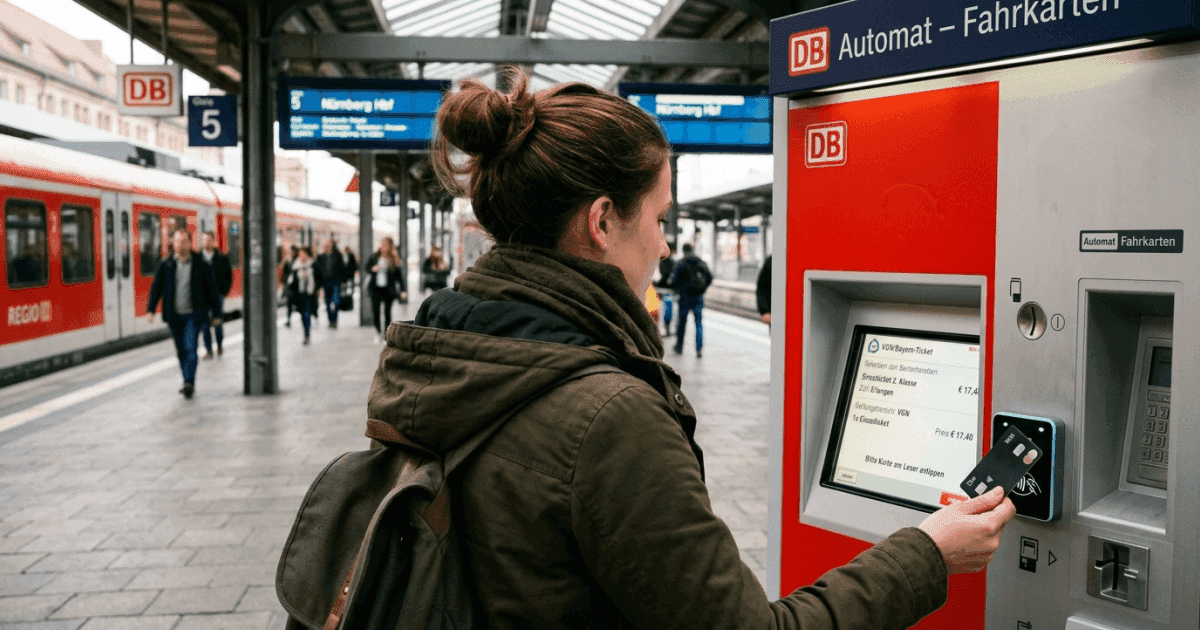
- Deutschland-Ticket (unlimited local travel): 63.00 EUR
- A single bus or tram ride: 2-4 EUR
- Gasoline (per litre): 1.71 EUR
- A brand new VW Golf: 29,295.00 EUR
- Taxi (per kilometer): 2.50 EUR
Leisure and shopping costs
An active lifestyle may cost you around 200+ EUR monthly. Check the approximate prices below:
- Gym membership: 36.07 EUR
- A cinema ticket: 13.00 EUR
- New pair of Levis: 78.78 EUR
- Decent running shoes: 88.49 EUR
The reality of the weekend budget:
That 13 EUR movie ticket is just the entry fee; once you add popcorn and a drink, a simple date night is suddenly 40 EUR. It's one of the reasons why "Club Culture" is so big in Germany – people would rather pay a 15 EUR cover charge for a 12-hour techno set than sit in a cinema for two hours.
79 EUR for jeans may seem way too expensive. If you don’t want to spend a fortune on clothes, head to the local second-hand shops – Germans love them, too.
If you're a gym-goer, that 38 EUR is for a mid-range spot; if you want the fancy one with a sauna (which is a big deal in German winter), you’re looking at 60 EUR or more.
Overall, leisure in Germany is often active. On Sundays, the shops are closed, so you may go to the park or the woods for free. If you don't learn to enjoy a "Spaziergang" (a walk), your weekends will get expensive very fast.
Practical tips for saving money
Want to cut your cost of living in Germany? Then, you should know the local "hacks":
- Don't throw away bottles: The "Pfand" system means your plastic bottles are worth 0.08-0.25 EUR each. Take them back to the machine at the store and receive some money back.
- Do your taxes: It sounds boring, but the average person can get back over 1,000 EUR on returns. You can deduct your move, your home office, and even your professional fees.
- Buy second-hand: In Germany, it’s completely normal to furnish your house through Kleinanzeigen or Vinted. You’ll save thousands by not buying everything new.
- Watch the transfer fees: Sending money home through a bank may cost dozens of euros. You can use Profee instead. Our service ensures you actually keep your money instead of losing it to fees.
- The "Sonntagsruhe" rule: Since almost all shops (including groceries) are closed on Sundays, people often panic-buy on Saturdays or end up ordering expensive delivery on Sundays. Plan your meals by Friday, unless you want to spend 30 EUR on a pizza because the shops close.
- Liability insurance (Haftpflichtversicherung): It sounds like a boring "adult" expense, but 83% Germans have it. Insurance costs about 2-7 EUR a month. If you accidentally drop your phone on a friend's floor or break a radiator in your rental, this insurance pays for it. Without it, one clumsy moment can wipe out your entire year's savings.
- Student status: If you are under 30 or a student, in most cases, you won’t pay full. From Spotify to museum tickets to bank accounts, always ask "Haben Sie einen Studententarif?" It can significantly decrease your living expenses in Germany.
- The library (Bibliothek): German libraries aren't just for books. For a tiny annual fee (usually 20 EUR), you can rent movies, board games, and even tools.
FAQ – What is the cost of living in Germany?
How much salary do you need to live comfortably in Germany?
In 2026, you really want to be bringing home 2,500 to 3,000 EUR after taxes, given the current average cost of living in Germany. But it all depends on your city and lifestyle.
What are the monthly expenses in Germany for a single person?
Around 992.8 EUR on daily expenses plus 400-1,000 EUR on rent, according to Numbeo.
Is healthcare expensive in Germany?
Yes, it’s considered expensive. Public insurance contributions take 14.6% of your pay, with your boss paying half of that. Good private insurance starts at around 350 EUR monthly.
How can I send money from Germany?
- Join Profee.
- Pick your destination.
- Add the transfer amount.
- Enter the recipient’s details.
- Select how to pay.
- Confirm.
How much salary is tax-free in Germany?
In 2026, the basic tax-free allowance is 12,348 EUR.