
Ghanaian football clubs: Complete overview

Even if you’re already a pro fan of Ghanaian football, keeping up with the updates is always a good idea. This guide breaks down how the current league is structured and highlights the iconic clubs keeping the spirit of the game alive for fans across the diaspora.
Ghanaian football leagues: 3 tiers
Ghana Football Association (GFA): What fans should know about it
Top-5 Ghana's football clubs: Overview
Over time: How Ghana football clubs evolve
FAQ – Ghana Premier League
Ghanaian football leagues: 3 tiers
The domestic league structure in Ghana has several levels, ensuring only the best of the best can reach the top. At the heart of this system is the principle of promotion and relegation – teams move up and down between leagues based on their season performance.
Ghana Premier League (Tier 1)
The Ghana Premier League is like the ‘Diamond’ league in League of Legends – already huge, but with potential to become even bigger globally. The Ghana Premier League typically consists of around 18 elite clubs. What are they fighting for? The goal is to secure the League Champions title, which grants entry into the CAF Champions League.
The real drama happens at the end of every season. It’s the time when the bottom three teams are relegated to the lower league, changing a club’s regional football identity overnight.
As GFA President Kurt Okraku said at the end of the 2024-25 season: "While this outcome is never easy, relegation is not an end, it is an invitation to rebuild, to reflect, and to return stronger. The Ghana Football Association stands ready to support all our clubs at every level of the football pyramid."
Division One League (Tier 2)
Think of the Division One League as the feeder club system for the top level. It typically includes 48 teams and is divided into three zones:
- Zone 1: North,
- Zone 2: West/Central,
- Zone 3: South/East.
The winner of each zone earns a ticket to the Ghana Premier League. So the competition here is tough.
Regional Leagues (Tier 3 and below)
Regional Football Association (RFA) leagues are the starting point where new contemporary clubs take their very first steps, while older, historic clubs (like Sekondi Hasaacas) try to pave their way back to glory and success. Some clubs manage to move to the upper leagues quickly, but others can be stuck in lower tiers for years.
Ghana Football Association (GFA): What fans should know about it
The Ghana Football Association (GFA) runs the whole show – they handle everything from engaging the local community to managing the Black Stars connection (Ghana's senior national team). You, as a fan, should know that the GFA makes sure the game stays fair and properly organised.
In short, the Ghana Football Association manages the administrative work. Here is a quick look at what they actually do:
Rules and regulations: They set player registration rules, decide on squad size, foreign player limits and matchday rules. Also, they handle all the club licensing to ensure that contemporary clubs meet basic professional standards.
Refereeing system: They recruit referees, give rewards, and measure performance to keep games fair.
Judging system: They can deduct points, set restrictions and fine clubs and players who break the rules and regulations.
More tips for Ghanaian expats:
Top-5 Ghana's football clubs: Overview
If you want to pick a side to support? Here are the elite clubs of the Ghanaian football scene in 2026.
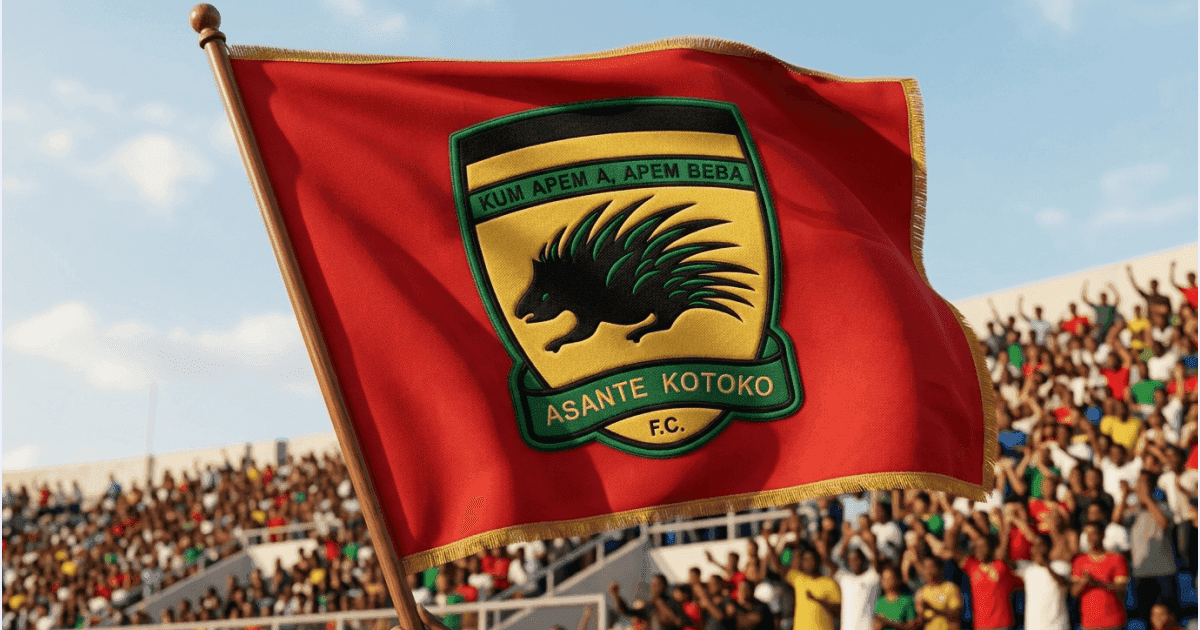
Asante Kotoko SC: The porcupine warriors
The club's symbol is the porcupine, paired with the motto “Kum apem a, apem beba.” This translates to: "Kill a thousand, a thousand will come." This phrase shows that the team and supporters are always ready to return and become even stronger. They are a force you can’t easily beat.
In 2000, the International Federation of Football History and Statistics (IFFHS) named Asante Kotoko the African Club of the 20th Century – quite a strong continental representation.
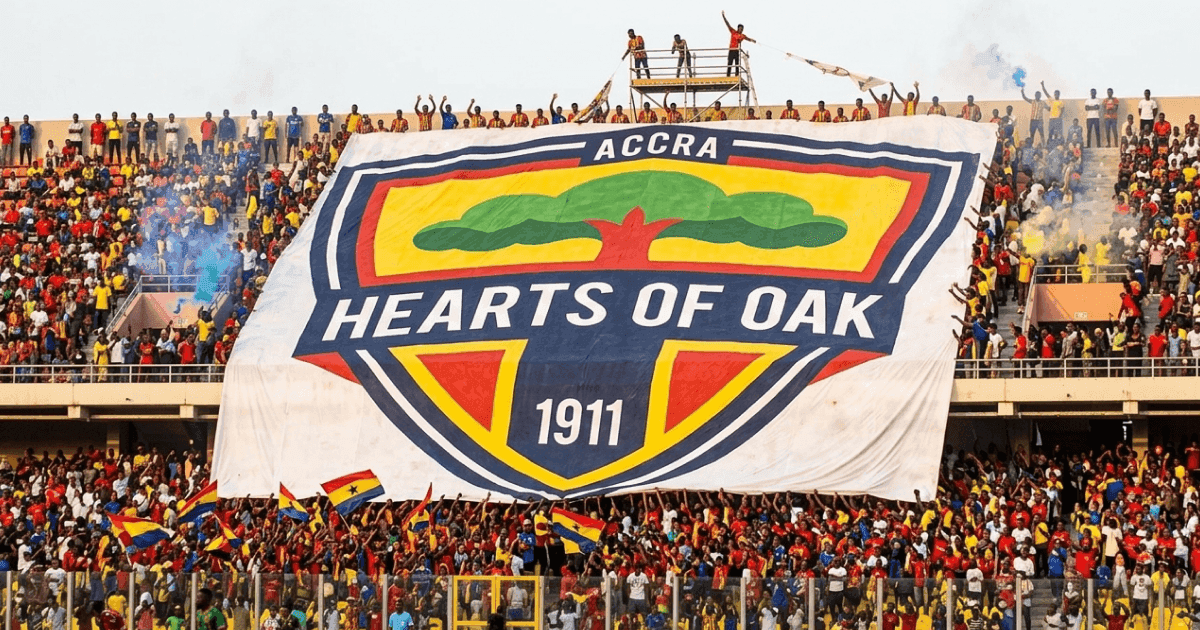
Hearts of Oak SC: The "64 battalion"
Based in Accra, Hearts of Oak is the traditional rival of Asante Kotoko. Matches between the two are widely known as the "Super Clash," an event worth your attention.
Rather than a traditional mascot, fans often use the chant "Phobia" to show rivals that they better be cautious. That’s some kind of psychological pressure to make the opponents fear Hearts of Oak even more.
The team won the CAF Champions League in the year 2000 and was so huge back in those days that they earned the nickname "64 Battalion" – an elite Ghanaian military unit active during that era.
Ashanti Gold SC: The wealthy giant of the 90s
Originally called "Goldfields," this club is famous for shaking things up in the 1990s. Before they came along, Hearts of Oak and Asante Kotoko were the only two teams winning major trophies, but it has changed thanks to Ashanti Gold.
Backed by a massive mining company, the club brought a whole new level of money to Ghanaian football. They used their mining profits to buy the best players and build top-quality training grounds. For about ten years, they completely changed the way money was spent in the league.
Aduana Stars FC: Masters of defence
Winning the top league in your very first season is incredibly rare. But how Aduana Stars won their 2010 championship is even more fascinating. In a season with 30 games, the team scored only 19 goals in total. Use simple math, and you’ll be amazed – that is less than one goal per game! They won because they focused completely on defence: if you score a single goal but the other team gets 0, you’ll certainly win.
Medeama SC: The new mining powerhouse
Like Ashanti Gold before them, Medeama SC is the newest success story built on mining wealth in the Western Region. The club as we know it today started when they bought the rights of another top team, Kessben FC, and moved the team to the town of Tarkwa. Fans lovingly call them the "Mauve and Yellows" because their bright colours really catch the eye.
Bibiani Gold Stars FC: The newest champions
Founded in 1998, this club is one of the strongest currently. The team secured its first top-flight league championship during the 2024/25 season and qualified for the 2025/26 CAF Champions League. This achievement officially put their mining town on the map for all of African football.
You can find information about other teams on the GFA official website. It’s a whole world of talented players, wins and defeats. If you’re interested in one particular club and want to see their achievement records, head to their official website (most teams have one).
Over time: How Ghana football clubs evolve
Football in Ghana is changing. Even though the Black Stars connection is still the biggest goal for local players, teams are now using a more organised feeder club system. Training schools like Right to Dream and WAFA have completely changed how young players are developed. This makes sure that contemporary clubs are run like real businesses, rather than just teams playing for 90 minutes.
The regional football identity is also growing. Accra and Kumasi are still the main centres, but teams from the Western and Northern areas are getting much stronger. This shows that great football is played all over the country.
This article is for informational purposes only. Profee is not affiliated with, endorsed by, sponsored by, or otherwise connected to FIFA, the FIFA World Cup, any national football association, team, player, broadcaster, ticketing provider, or event organiser. All trademarks, names, logos, images, and other intellectual property belong to their respective owners. Information is accurate as of April 14th, 2026 and may change; check official sources for the latest details.
What is the most successful club in Ghana?
As of 2026, Asante Kotoko SC has the most league titles (26) and has the richest club championship history.
Is Ghana qualified for the FIFA World Cup 2026?
Yes, Ghana is qualified.
Who is the best FC player in Ghana?
Based on EA Sports FC 26 ratings, the highest-rated Ghanaian players are
Iñaki Williams (RM, 82) and Thomas Partey (CDM, 82), who both play in Europe and represent the national team.
What happens after winning the CAF Confederation Cup?
The winner takes home a $4 million cash prize (as of 2026) and earns the right to face the CAF Champions League winner in the one-off CAF Super Cup.
How many football clubs are in Ghana?
Hundreds, but only 18 of them can compete in the Ghana Premier League.