

10 little habits to reset your life in the New Year

Each year, we promise ourselves to become better, eat healthier, and finally get our lives together. But then we get lazy, distracted, unmotivated, and everything falls apart. To help prevent this, we've compiled 10 habits that require minimal effort but work wonders for fully resetting your routine.
1. Map your ideal morning and evening routine – and follow it
Imagine your first and last hours of the day mindfully. Some would love to spare time for yoga, while others would prefer to spend it reading or cooking a healthy meal. There's no right answer, but some rules should be followed:
- No digital – it drains your energy and stresses you out.
- Your routine should benefit you – relax, reflect, recharge, whatever you need.
- Avoid noise – you deal with enough distractions during the day.
Once you have this ideal picture, try to stick to it. No need to change everything overnight: go slowly, step by step, and watch how your life shifts.
2. Intentional time for hobbies
In constant rush mode, we forget to treat ourselves. Open your calendar and mark the days when you’ll do things you love: drawing, crafting, sports, anything that brings joy. If you’re super busy, even one hour every two weeks is still a win. And yes, it is possible.
3. Run one-week experiments
Not chemistry experiments (unless you’re into that), but behaviour experiments. Pick one habit you’d like to build and follow it for 7 days straight. After that, you’ll know whether it’s worth keeping or dropping. To stay motivated, promise yourself a small reward at the end of the streak.
Some challenge ideas:
- Drinking enough water.
- Reading 10 pages a day.
- Learning 10 new words every day.
- Journaling.
- Eating no sugar or junk food.
- Supporting family back home with quick money transfers.
4. Conduct a full financial audit
If not now, then when? Go through everything you earn and everything you spend, and see the real picture of your finances. It might feel boring, but it’s a must if you want stability and confidence in the year ahead.
Things to include:
- All sources of income.
- Every monthly expense.
- Insurance review.
- Tax review.
- Debt review.
- Emergency fund.
Knowing exactly how much you earn and spend helps with building a stronger budget plan.
5. Daily movement – little is better than none
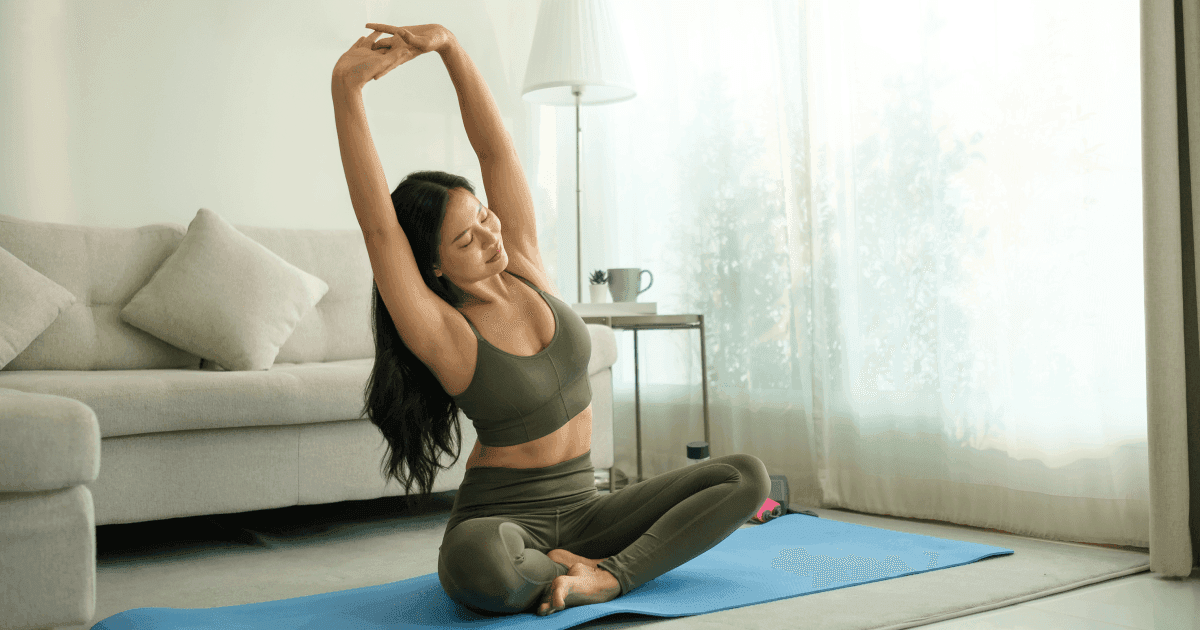
We sit or lie down 24/7, especially in colder months. Thousands of articles were written about how this lifestyle affects our bodies and minds. We all know how bad this is for us, and yet we still ignore it. Let's start small: a simple 5-minute stretch each day. When it becomes a habit, you'll want to move more and more by yourself, without pushing it!
6. Declutter your home and digital space
Organised surroundings bring organised thoughts. Throw away things you don’t need, expired medicines, and old paperwork. Donate clothes you never wear to charities. Open a closet with forgotten things and sort them out. There are endless ways to make your home cleaner and free up some space.
As for the devices, we’ve written a guide on digital decluttering for you. Click and read.
7. Track your time once a month
It’s an eye-opening experience. Pick a random, normal day and write down what you’ve done. Describe every 15-minute period, and see where your time really goes.
8. Short meditations
3-5 minutes is enough for the start. Download apps like Insight Timer or Calm to find guided meditations or relaxing music, and find a peaceful corner in the office or at home. Daily focus and gratitude practices will make you feel much better, even if you don’t plan to be a meditation expert.

9. Start reading a book that will help you in any way
You’ll enjoy reading once you find your book. Interested in investing? Find beginner-friendly guides. Struggling with anxiety? Look for trusted practitioners. Choose books you have a real reason to read.
10. Create a decision filter and act accordingly
Create a list of simple questions which you have to answer when making a decision. Such as:
- Will this bring me joy?
- Is it only for instant gratification or long-term benefits?
- Would the person I want to be do this?
- Do I need to do this, or is it a "nice-to-have"?
- Will it get me closer to my goal?
Continue with your own examples, and don’t be afraid to say ‘No’ when you have to.
Some of these habits take almost no effort; others need more patience. But all of them are worth trying if you want a happier, healthier, more aligned life.