ATMs in Europe: conversions, avoiding fees and more

There are approximately 332,572 ATMs across Europe, and as a basic benchmark for 2026, sticking your card into one will cost you anywhere from €0 to over €10 before you even factor in the currency conversion. That wide gap means a single cash withdrawal can either be completely free or end up costing you as much as a light lunch. This guide breaks down how to avoid those unnecessary ATM fees in Europe, how to spot a fair exchange rate, and how to choose the right machines to use while you are there.
If you are looking for a guide about a specific country, see our articles on ATMs in Sweden, and ATMs in Ireland, as well as a detailed guide about ATMs in the UK and Germany.
Understanding ATM fees in Europe
Best ATMs to use in Europe
ATMs to avoid in Europe
Navigating ATM conversion fees
Securing fee-free withdrawals
Practical tips
Understanding ATM fees in Europe
When using an ATM abroad, you may face up to four separate costs: an ATM operator fee, a card withdrawal fee, a foreign transaction fee, and a dynamic currency conversion markup.
How much are ATM fees in Europe:
- ATM operator fee: This is a charge set by the company or bank that owns the machine, and the final amount varies by operator, location, and the card you use. In Spain, foreign-card fees of around €3 to €7 per withdrawal are common—meaning a quick trip for cash can easily cost you the price of a coffee before you even get your money. In other European countries, traditional bank-operated ATMs often charge less or nothing at all, while independent machines in tourist spots can cost significantly more.
- Card provider fees: Traditional banks commonly charge around 2.5% to 3% for foreign-currency transactions, and they often tack on a separate cash-withdrawal fee on top of that. Travel-focused cards, however, usually drop this down to 0% within specified limits, saving you money automatically.
- Dynamic currency conversion: Choosing to be charged in your home currency commonly adds a markup of around 3% to 5%. The machine has to show you the exact rate before you confirm, which is your cue to decline and pay in the local currency instead.
Once in Europe, send money back home with a beneficial and secure Profee transfer. It’s faster than finding an ATM! And no hidden fees are applied; what a dream.
Best ATMs to use in Europe
Choosing a cash machine owned by a bank is almost always a safer bet than using those standalone, unbranded boxes sitting in airport terminals or outside tourist souvenir shops.
If you are trying to keep your costs down, here are the major networks to keep an eye out for:
- BNP Paribas or La Banque Postale in France: These French bank-owned machines generally will not charge you a direct operator fee for using a foreign card—though you still need to watch out for whatever your own bank back home decides to clip you for the transaction or the conversion.
- Deutsche Bank, Commerzbank, Postbank, or Sparkasse in Germany: These are massive, established local banking networks with machines scattered everywhere. Walking up to a major bank machine like these is usually much cheaper than using a random standalone terminal, but they can still slap a fee on foreign cards—make sure you check the screen, as they are required to show you the charge before you confirm the transaction.
- Deutsche Bank, EVO Banco, Abanca, or Unicaja in Spain: These specific networks tend to have lower fees or let you pull out cash entirely fee-free with certain overseas cards. Walking up to a Santander, BBVA, or CaixaBank machine means you are likely looking at a €3 to €7 charge per withdrawal, which eats into your budget quickly.
You can also use dedicated mobile tools like the ATM Fee Saver app to look up real-time fee breakdowns and locate low-cost bank machines nearby while you travel.
No matter which country you are in, never rush through the menus. Always take a second to look at the final fee displayed on the screen before you hit that final confirmation button, because even the exact same bank can treat your card differently depending on where it was issued.
Travel-friendly cards can reduce card-provider fees, but limits differ. As of June 2026, Starling charges no fee for overseas cash withdrawals up to its £300 daily limit. Revolut Standard allows up to €200 or five withdrawals per month without a Revolut withdrawal fee; higher plans offer allowances from €400 to €2,000. ATM operator fees can still apply.
Pairing a fee-free card with the right ATMs in Europe ensures you keep more cash for gelato, museums, and that extra glass of Chianti. Saluti!
Read on: Budget planning for digital nomads.
ATMs to avoid in Europe
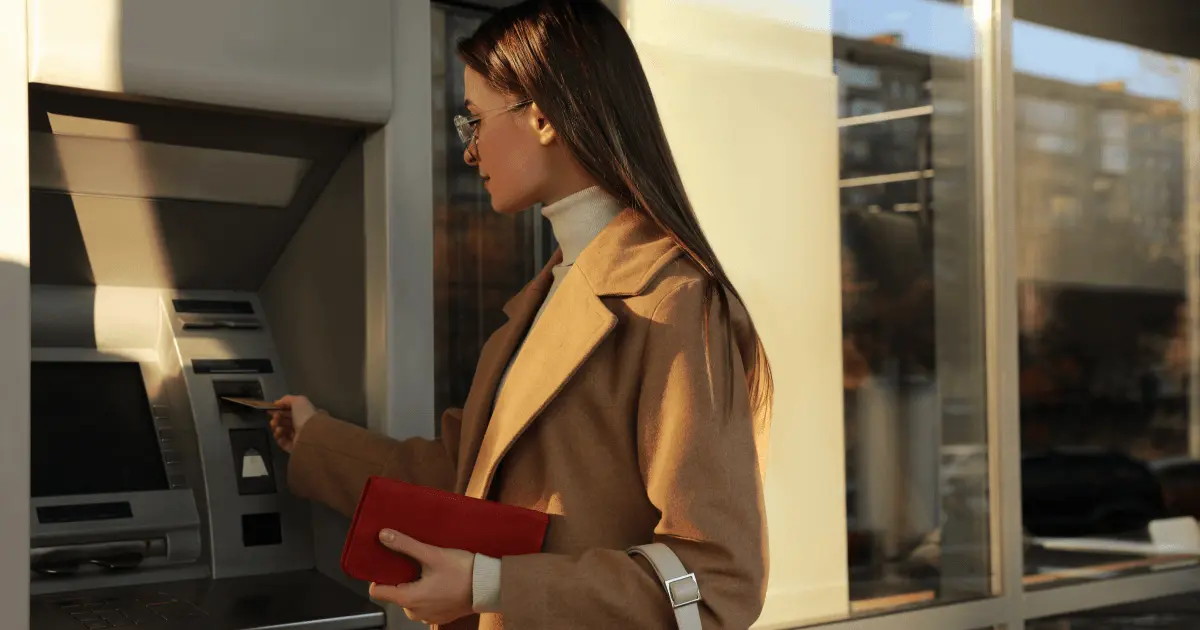
When it comes to ATMs to avoid in Europe, think twice before you approach the lone machines in airports and tourist hotspots. Independent operators—such as Travelex or Euronet—often lure you in with convenience but hit you with high fees (Euronetatms). These tourist traps add an unnecessary dent to your travel budget.
DCC
A common pitfall is accepting dynamic currency conversion. DCC commonly adds around 3–5% to the exchange rate and can sometimes cost more. You’ll be offered a choice between withdrawing in your home currency or the local euro. Always choose the local currency: EUR in euro-area countries, PLN in Poland, CHF in Switzerland, SEK in Sweden, and GBP in the UK. This normally avoids the ATM operator’s 3–5% DCC markup.
Red flags
Spotting red flags is straightforward. Avoid ATMs with flashy screens or zero bank branding—these are often operated by third parties with no obligation to offer fair exchange rates. If there’s no visible logo of a recognised bank, walk on. Machines tucked away in dimly lit corners or featuring multiple logos selling holiday postcards are another giveaway of a money-making tourist trap.
Rather than grabbing cash at every opportunity, plan your withdrawals at trusted institutions. Stick to ATMs inside bank branches or reputable post offices; you’ll pay the standard fee charged by your own bank without extra rip-offs. By steering clear of these dodgy devices, you’ll ensure that ATMs to avoid in Europe won’t dent your wallet—or your holiday spirits.
Navigating ATM conversion fees
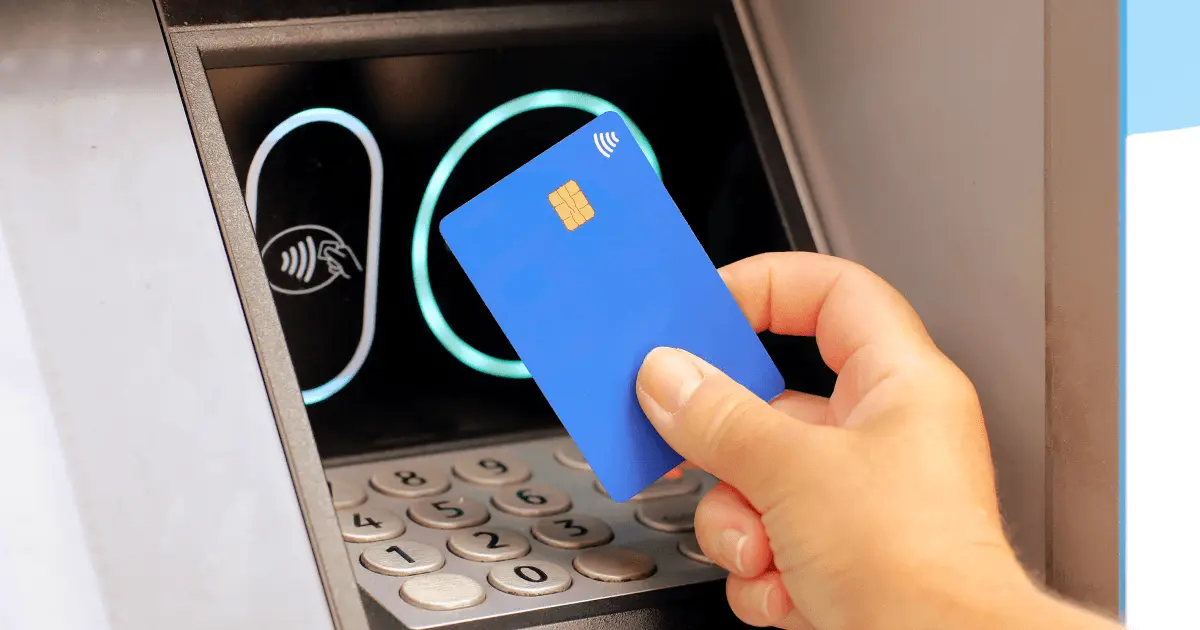
Understanding ATM conversion fees in Europe is vital to keeping more pounds in your pocket. Banks tend to calculate their conversion rates using wholesale exchange rates, but they each apply a margin. Visa and Mastercard publish their daily rates, which many banks use as a baseline—yet local ATM operators can set their own, often less favourable, currency conversion terms. For example, a 5% DCC markup adds €10 to the cost of a €200 withdrawal. Add a €4 ATM operator fee and a 3% card-provider charge, and the total extra cost could reach around €20.
Useful tools
When comparing ATM conversion fees in Europe, tools like the XE Currency app and Mastercard’s online rate checker become indispensable. Enter the amount you plan to withdraw and compare it to the ATM’s offer on-screen. If the ATM’s conversion is more than around 3% worse than the current market rate, decline DCC and choose the local currency.
Foreign transaction fees
Don’t forget about foreign transaction fees on your debit or credit card. Some cards waive them entirely, so it pays to research before you jet off. A card with no foreign transaction or withdrawal fee can save around €5–6 on a €200 withdrawal compared with a card charging 2.5–3%. However, any separate ATM operator fee will still apply. Armed with knowledge of these rates and a few savvy checks, you’ll navigate each withdrawal with assurance, rather than dread.
How to save more money while travelling? Find out in this article.

Securing fee-free withdrawals
Bank’s partners
One of the smartest ways to avoid ATM fees in Europe is to leverage your bank’s partner network. Many high-street names have tie-ups across the EU, meaning you can withdraw cash without incurring extra charges. Before you travel, check your bank’s website or app for a list of these partners—it takes minutes and can save you a small fortune in fee reimbursement later.
Fee-free cards
Another handy tip is to apply for fee-free cards designed with frequent travellers in mind. Some travel-focused cards charge no foreign transaction fee and provide fee-free ATM allowances. These cards often come with real-time exchange rate updates in their apps, so you’ll always know whether a given ATM is offering a fair rate.
Statements
Finally, keep an eye on your statements. If your bank promises fee refunds, submit your reimbursement claims promptly. Many institutions require you to upload a screenshot of the ATM’s fee notification or receipt—a quick photo on your smartphone will do the trick. By combining partner banks, savvy withdrawal limits, and fee-free cards, you’ll master how to avoid ATM fees in Europe with minimal hassle.
May be interesting: Salary negotiation tips.
Practical tips for using ATMs in Europe
When tips on using ATMs in Europe are concerned, a little foresight goes a long way.
Withdraw larger sums
First, using ATMs in Europe wisely starts with withdrawing larger sums to minimise transaction frequency. If an ATM charges €4 per transaction, withdrawing €200 once costs €4, while four €50 withdrawals cost €16—before any fees charged by your own bank.
Notify a bank
Before you depart, notify your bank of travel dates to avoid blocked cards. A simple call or online note prevents that moment of panic when your card is unexpectedly declined. While using ATMs in Europe, always select the local currency rather than the sterling; this avoids dynamic currency conversion. Rejecting DCC commonly saves around 3–5% compared with accepting the ATM’s home-currency conversion, although the exact difference depends on the rate offered.
Mix
For everyday purchases, reach for a credit card, but steer clear of cash advances. Instead, blend card and cash: pay for hotels or restaurants with plastic, and use ATMs in Europe for pocket money.
Avoid tourist traps
If you’re following Rick Steves’ advice, search for bank-affiliated machines hidden away from tourist hotspots. In Rome, you can save €30 by using a BancoPosta ATM instead of a hotel lobby machine—proof that a little legwork pays off. For extra safety, cover the keypad while entering your PIN, and avoid street-corner machines at night.
By following these tips on using ATMs in Europe, you’ll spend less time fretting over fees and more time savouring the journey. Remember, planning ahead and mixing your payment methods ensures that how to avoid ATM fees in Europe becomes second nature.
Frequently asked questions about ATMs in Europe
Which ATMs should I use in Europe?
Use bank-owned ATMs. Private machines often have higher fees and are less protected.
How to avoid ATM fees in Europe?
Use travel cards with no foreign transaction fees, track your free withdrawal limits and search for fee-free ATMs.
What is an ATM called in Europe?
Depends on the country. You may often come across the terms cash machines or Bankomats.
Is it better to bring euros or use an ATM?
It’s better to bring some euros for the first couple of days, as airport ATMs often have higher fees and poorer rates. Once you’re in the city, you can find machines to withdraw money cost-effectively.
Can you take 10 euros out of an ATM?
Generally, yes, but it depends on the machine lower limits.