European countries where bargaining is totally normal
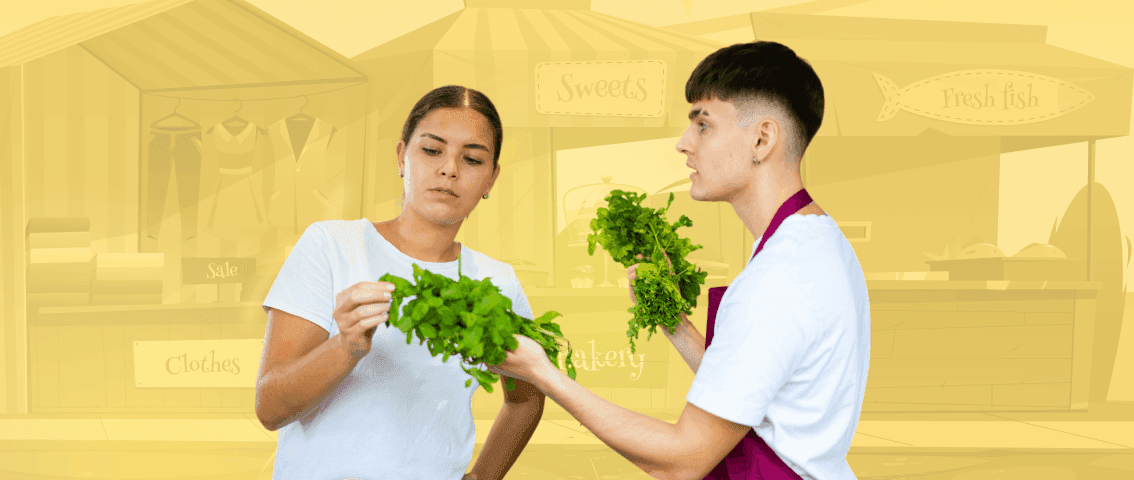
Across Europe, you’ll most likely come across bargaining at flea markets, antique fairs, second-hand sales, and some souvenir stalls. Supermarkets, pharmacies, restaurants, and regular shops normally expect you to pay the displayed price. Wherever you try your luck, keep the exchange friendly, make a sensible offer, and be ready to hear “no”. This basic haggling etiquette matters whether you are visiting a busy bazaar, a local street market, or a small antique market.
How to bargain politely in Europe
Where can you bargain in Europe?
Frequently asked questions about haggling in Europe
How to bargain politely in Europe
The easiest way to bargain well is to choose the right setting, ask instead of demand, and suggest a price you would genuinely pay. A good negotiation should feel like a friendly conversation, not a battle over a souvenir spoon. Good haggling etiquette starts with reading the setting – it’s okay to bargain at places where everyone else does it, and where you can’t see a displayed price.
Begin with a question
A friendly question lets the seller answer without feeling pressured.
You could say:
- “Could you offer a slightly better price?”
- “Is there a discount if I buy two?”
- “How much would these three cost together?”
Avoid opening with “That is far too expensive.” You can ask about the price without criticising the seller or the product. This makes negotiating price feel like a conversation rather than a confrontation.
Learn one local phrase
A greeting, “please,” “thank you,” and one sentence about the price will usually do. Using a local phrase shows effort and can make the interaction feel more personal. Listen carefully to the reply, though. Otherwise, you may nod confidently and discover that you have bought four lamps and arranged delivery to your hotel.
Make a reasonable offer
The right offer depends on the market, the product, the original price, and how much you genuinely want to spend.
In tourist bazaar, the seller may leave more room for several counteroffers. At a French flea market or an Albanian craft stall, asking for a small reduction may make more sense than immediately cutting the price in half. Aim for a compromise rather than treating the exchange as a contest. This is especially useful in Eastern European markets, where local practices can differ from one seller to the next.
Take particular care with handmade goods. A piece of embroidery, jewellery, pottery, or art may represent many hours of work. You can stay within your budget without suggesting that the product has little value.
Ask for a bundle price
Buying several items gives both sides a clear reason to discuss the total. Flea-market and antique-shopping guides often recommend grouping products and asking what the seller could offer for all of them. This works especially well at a flea market or antique market, where sellers may have more flexibility than standard retailers.
For example: “I like these three. What price could you offer for all of them?”
The seller makes a larger sale, and you may receive a better price without arguing over every item separately.
Know when to stop
Decide how much you are willing to pay before you start. This keeps you from becoming so focused on “winning” that you leave with an object you never wanted.
When the final price remains too high, thank the seller and walk away calmly. However, once the seller accepts an offer that you made, you should normally complete the purchase rather than trying to lower it again. That is one of the simplest rules of good haggling etiquette.
Where can you bargain in Europe?
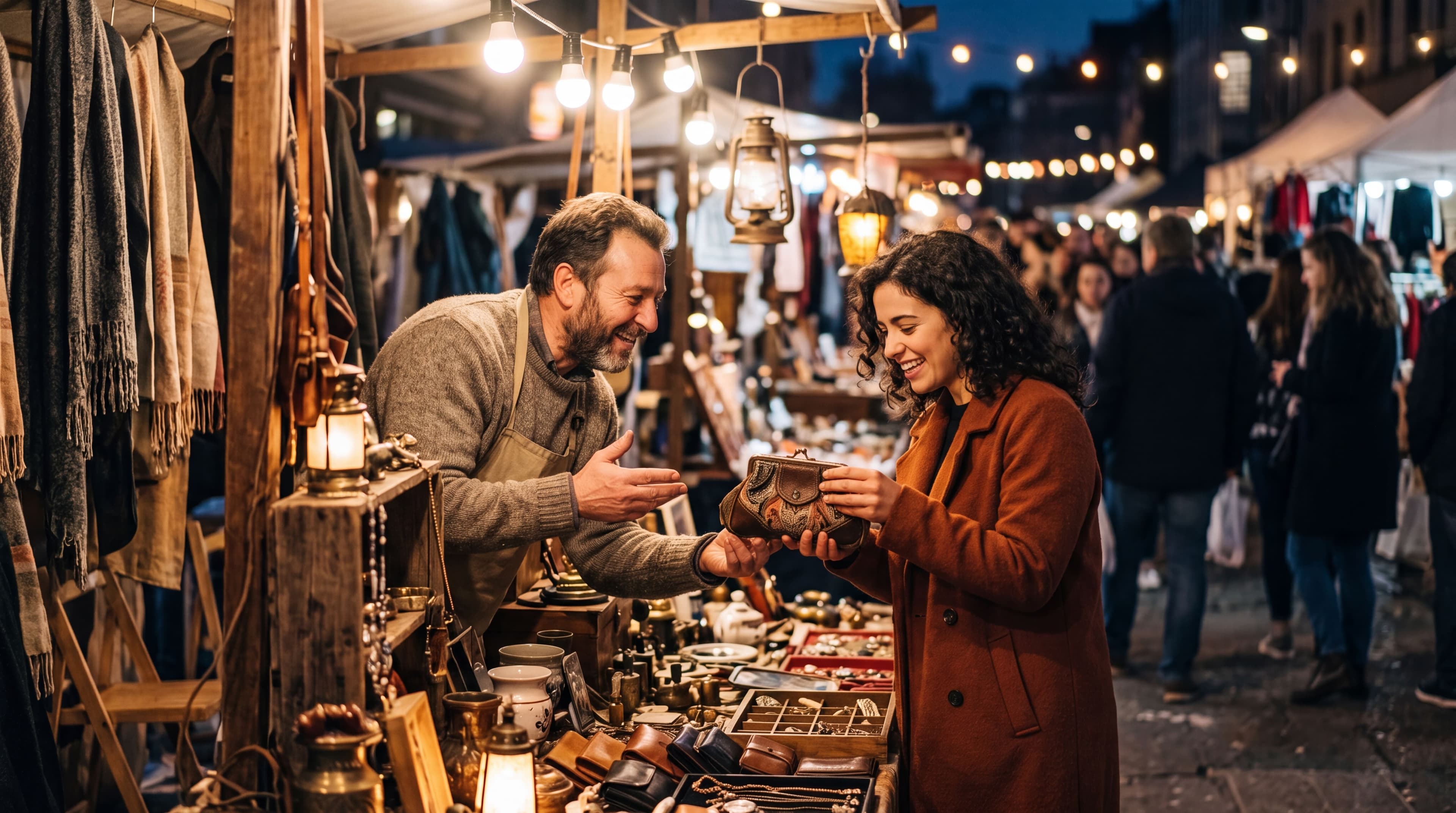
Flexible prices appear in informal markets across Europe. The setting usually matters more than the country: a flea market seller may welcome an offer, while a shop across the street may treat every price as final. In practice, negotiating price is more common in bazaars and other informal settings than in standard retail shops.
| Country or region | Where you may bargain |
|---|---|
| Albania and North Macedonia | Open-air markets, old bazaars, antiques, and souvenir stalls |
| Bosnia and Herzegovina | Flea markets and informal second-hand sales |
| Greece | Flea markets, antique stalls, and some tourist shops |
| Italy, Spain, and France | Flea markets, antique fairs, and private sales |
| Northern and Western Europe | Flea markets, garage sales, and negotiable second-hand listings |
Treat this table as a guide rather than a rulebook. One seller in Istanbul may display fixed prices, while a trader at a flea market in Berlin or Brussels may happily listen to your offer. Look at the surroundings, check whether prices are clearly marked, and watch how other customers behave. You may notice more room for price negotiation in some Eastern European markets and Mediterranean markets, but individual sellers still set their own rules.
As an expat in Europe, you may be able to negotiate at a flea market, but money transfer fees and exchange rates are another story. Banks and transfer services set their own terms, so the best approach is to choose a service that offers a competitive deal from the start. With Profee, you can send money to 90+ destinations with favourable exchange rates and low fees.
Albania and North Macedonia
In Albania and North Macedonia, you may come across bargaining in old bazaars, open-air markets, souvenir stalls, antique shops, and other small independent businesses. Sellers may feel more open to discussing the price when they have not displayed a fixed amount or when you plan to buy several things. These settings offer a useful glimpse into Balkan retail culture, where the style of the shop often matters more than any general national rule.
Buying more than one item also gives you a natural reason to ask. Rather than pushing for a large discount on a single product, ask what the seller could offer for two or three. This kind of price negotiation usually feels more natural than making a very low offer on one item.
Useful phrase in Albanian: Mund të bëni një ulje?
Transliteration: Moont tuh beh-nee nyuh ool-yeh?
Meaning: Could you give me a discount?
Useful phrase in Macedonian: Може ли малку поевтино?
Transliteration: Mozheh lee malkoo po-ev-tee-no?
Meaning: Could it be a little cheaper?
Bosnia and Herzegovina
In Bosnia and Herzegovina, you are more likely to negotiate at flea markets and informal second-hand sales than in ordinary shops. The surroundings usually make it clear whether you can ask for a lower price or not. Barcodes, printed labels, and a queue at the till suggest that the price is fixed. A table covered with old books, records, tools, or household objects gives you much more room to ask.
This reflects a wider pattern in Balkan retail culture: informal stalls may leave room for discussion, while conventional shops usually expect you to pay the marked amount. At a local street market, one polite question may be enough.
Useful phrase: Može li malo jeftinije?
Transliteration: Mozheh lee mah-loh yef-teen-ee-yeh?
Meaning: Could it be a little cheaper?
Greece
In Greece, you may come across bargaining at flea markets, antique stalls, and some tourist-oriented shops. Supermarkets, pharmacies, restaurants, and ordinary retailers normally expect you to pay the listed price.
Athens’ Monastiraki district, for example, brings together antique dealers, second-hand sellers, crafts, jewellery, and souvenir shops. That makes it a reasonable place to ask whether a price has some flexibility, although individual sellers may still say no. As in many Mediterranean markets, the atmosphere may feel informal, but that does not mean every price is open to negotiation.
Useful phrase: Μπορείτε να κάνετε καλύτερη τιμή;
Transliteration: Bo-ree-teh nah kah-neh-teh kah-leh-teh-ree tee-mee?
Meaning: Can you offer a better price?
Italy, Spain, and France
In Italy, Spain, and France, regular shops don’t usually invite bargaining. Flea markets, antique fairs, brocantes, and private sales offer a better opportunity to ask whether the price can move. European market guides recommend checking first instead of treating every price tag as the beginning of a negotiation. An antique market or neighbourhood street market may welcome a polite question, while a regular shop probably will not.
Here, you are more likely to receive a modest reduction than a dramatic bargain. A seller may lower 28 EUR to 25 EUR or offer a better total when you buy several things. Opening with 10 EUR, by contrast, may end the conversation before it begins. This lighter approach to haggling suits many Mediterranean markets, where a small adjustment often feels more natural than a long exchange.
| Country | Useful phrase | Transliteration | Meaning |
|---|---|---|---|
| Italy | Può farmi un po’ di sconto? | Pwo far-mee oon po dee skon-toh? | Could you give me a small discount? |
| Spain | ¿Me puede hacer un pequeño descuento? | Meh pweh-deh ah-sehr oon peh-knyoh des-kwohn-toh? | Could you give me a small discount? |
| France | Vous pourriez me faire un petit prix? | Voo poor-yay muh fehr ohn puh-tee pree? | Could you offer me a slightly better price? |
Explore more tips:
Frequently asked questions about haggling in Europe
Is haggling common in Italy?
It’s not common, but you can try negotiating at markets, flea markets, and some craft shops.
How to haggle politely?
Start with a small talk, don’t be rude, don’t try to ‘fight’ the seller. Suggest your price respectfully and justify it.
How to ask for a lower price?
Honestly admit that your budget is limited, but you’re highly interested in the purchase. When starting a conversation, don’t say ‘I’ll take it only for 10 EUR’, give the seller more air, ‘Is there any flexibility on the price?’
Is it better to bargain in the local language?
Yes, even one local phrase can make the exchange warmer. You can continue in English or use a calculator to confirm the final amount.
Is it rude to walk away when haggling?
No. Thank the seller and leave when you cannot agree on a price. However, walking away when the seller accepts the amount you proposed is rude.