

Schools and education in Germany

Education in Germany is organised by 16 federal states (Bundesländer), so school types, enrollment rules and holiday dates can differ depending on where you live. This guide explains how the German school system works and what families should know.
Overview of the German school system
School holidays in Germany
Tips for expat parents
FAQ: German schools
Overview of the German school system
Germany's school system has four stages: childcare, Grundschule (primary, ages 6–10), secondary school (Hauptschule, Realschule or Gymnasium), and post-secondary vocational or university study. Your child must go to school – attendance is compulsory, that’s why most families prefer state schools, where education is free. Private and international schools are also available, but they charge fees. If neither of the options works, homeschooling may be provided in rare cases.
Early childhood education
There are four main early childcare options: Krippe (under 3), Kindergarten (3–6), Kita (mixed ages), and Kindertagespflege (registered childminder):
- Krippe cares for babies and teaches them basic motor, language and cognitive skills.
- Kindergarten focuses on free play, outdoor time and basic practical skills.
- Kita (Kindertagesstätte) is a broader term for a day-care centre and may care for children of several age groups.
- Kindertagespflege is childcare provided by a registered childminder, often in a smaller group.
Attending a Kita or Kindergarten is not the same as compulsory schooling. However, children get a chance to socialise, integrate and prepare for school life. If you and your child have just moved to Germany, early education will make the adaptation smoother and less stressful.
If you need childcare, start looking early. Availability and application procedures differ locally. Your municipal website or local Jugendamt (Youth Welfare Office) can tell you how childcare applications work where you live. You can also check the federal Make it in Germany childcare guide.
Primary schools in Germany (Grundschule)
Grundschule covers grades 1–4 (grades 1–6 in Berlin and Brandenburg) and is where all children begin compulsory education at age six.
In primary school, children mainly study German, maths and general subjects. Toward the end of Grundschule, parents need to start thinking about the next type of school. You won’t be picking the path all alone – teachers give recommendations based on the child’s grades and progress. In some states, the recommendation matters a lot; in others, parents have more choice.
This decision comes quite early: in most of Germany, children move to secondary school after grade 4, at around age ten. If you are new to the country, check the rules in your Bundesland well before the end of primary school so you know what options your child has.
Secondary schools in Germany
Germany has three main secondary school types: Hauptschule (grades 5–9/10, vocational focus), Realschule (grades 5–10, mixed), and Gymnasium (grades 5–12/13, academic focus). The difference is mainly in how academic or practical the learning is and what options pupils have afterwards.
| Type or pathway | Typical grades | What it leads to |
|---|---|---|
| Hauptschule | 5 to 9/10 | More practical learning, often followed by vocational training or an apprenticeship |
| Realschule | 5 to 10 | A mix of academic stream and practical subjects, followed by vocational track or further study |
| Gymnasium | 5 to 12/13 | The main academic stream, ending with the Abitur and leading to university |
| Gesamtschule | Varies | Several school pathways in one school, with different qualifications available |
The names are not the same everywhere. Depending on your Bundesland, you may also see schools called Gemeinschaftsschule, Oberschule or something else. Don’t focus too much on the name: check which qualifications the school offers and what options your child will have later.
Don’t worry if choosing a secondary school at around age ten feels very early. The first choice isn’t always final. Your child may be able to move to another school type as they progress, depending on their grades and the rules in your Bundesland.
Vocational track and higher education
After secondary school, students choose between university (requiring the Abitur) or an Ausbildung, a paid apprenticeship lasting 2–3.5 years combining workplace training and classroom study.
University
Students who want to go to university continue studying toward the Abitur, the main school-leaving qualification for university admission in Germany. With an Abitur, your child can apply to a university or a university of applied sciences, depending on the course and admission requirements.
Vocational track (Ausbildung)
During an Ausbildung, your child works for a company and attends a Berufsschule for the theoretical part of the course. Training lasts two to three and a half years, depending on the profession, and students receive salary.
Later in life, your child can still attend university even if they’ve completed vocational training first.
"In Germany, you go to school and are already working in the company. I think that's great, you can use your knowledge from school directly at work." – Abderrahmane, Electronics Technician from Morocco.
School holidays in Germany
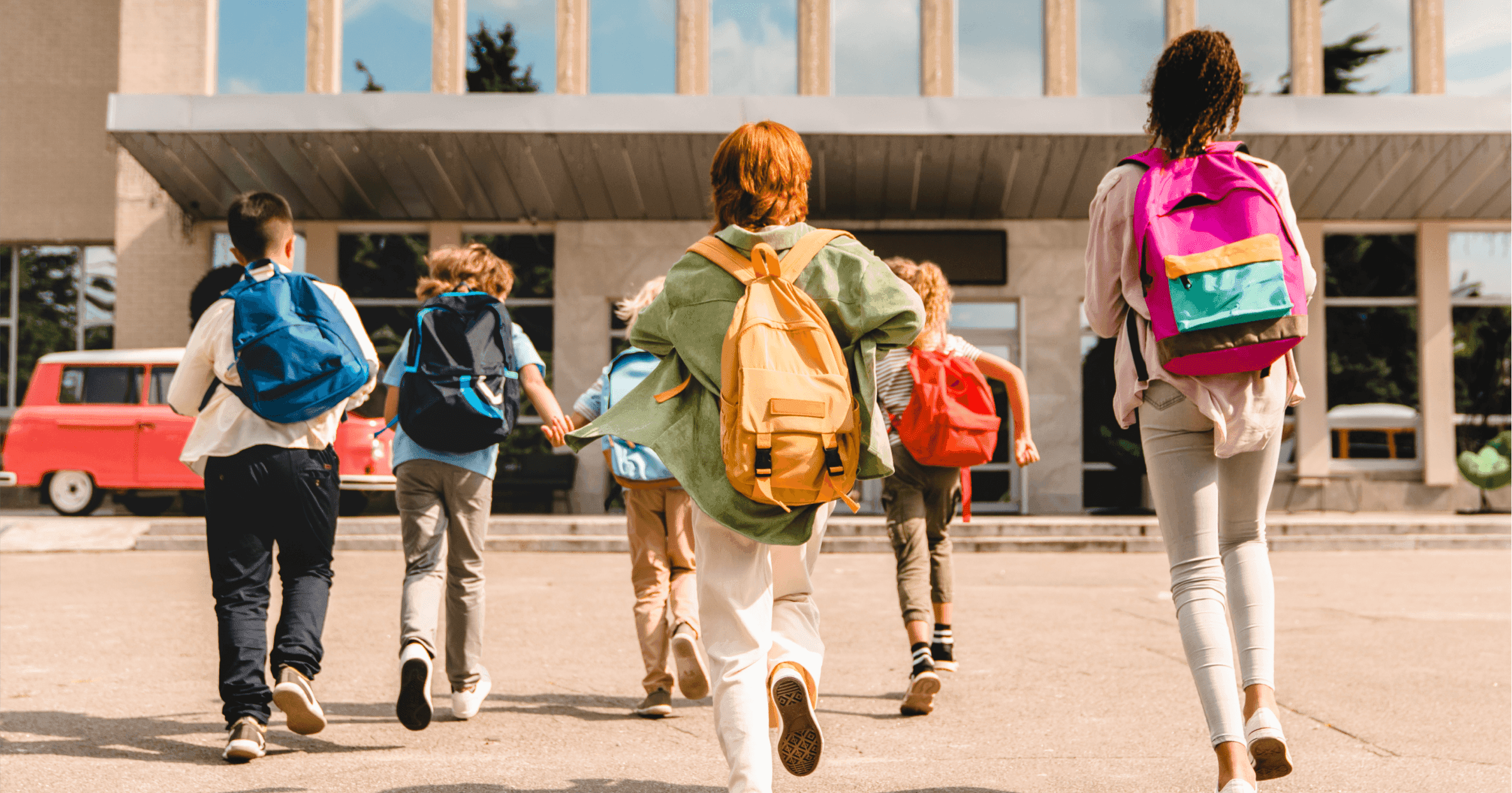
German school holidays vary by federal state and typically total around 12–14 weeks per year, including a 6-week summer break, Easter, Christmas, and autumn holidays. Schoolchildren have several breaks during the year:
- Sommerferien – summer holidays, the longest break, lasting around six weeks;
- Herbstferien – autumn holidays;
- Weihnachtsferien – Christmas and New Year holidays;
- Osterferien or Frühjahrsferien – Easter or spring holidays;
- Winterferien – extra winter holidays, offered in some states;
- Pfingstferien or additional days around Ascension and Pentecost – offered in some states.
Holiday dates may be quite different across the country. For example, the official KMK calendar for the 2026/27 school year lists the following summer breaks:
| Federal state | Summer holidays 2027 |
|---|---|
| Hesse | June 28th to August 6th |
| Berlin | July 1st to August 14th |
| North Rhine-Westphalia | July 19th to August 31st |
| Bavaria | August 2nd to September 13th |
So children in Hesse will start their summer holidays more than a month before children in Bavaria. For reliable holiday dates, check:
- the official KMK holiday calendar for all 16 federal states;
- the education ministry website for your Bundesland;
- your child’s school calendar for local or movable days off.

Tips for expat parents
Expat parents need to check rules at the local website of the Ministry of Education, Schulamt or Local Town Hall, secure German language support, and budget for after-school care – these steps will kick off the enrollment process.
Check enrollment rules early
School registration in Germany is very local, so the first thing to check is what applies in your city and Bundesland. Once you know where you’ll live, find your local Schulamt and ask when registration opens, which schools are available and what documents they expect.
You’ll need your child’s ID or passport, proof of address and previous school records. If you move in the middle of the school year, contact the Schulamt as soon as you arrive – you don’t have to wait until September or the next school year.
If you’re not sure where to start, the Make it in Germany school guide will point you in the right direction.
Ask about German language support
Your child can start school even if their German is still very basic. The school may help them learn the language, for example, some children join regular classes and get extra German lessons. Others spend part of the day, or sometimes the first few months, in a preparatory class for newly arrived pupils. The setup is different from one Bundesland to another, so ask the school exactly what your child’s first weeks will look like.
A German course before school starts can help, but don’t feel that your child has to arrive fluent. For many children, school itself becomes a big part of how they learn the language.
Check what happens after lunchtime
In some schools, lessons can finish around lunchtime, so afternoon care is something worth sorting out before the first day. Depending on where you live, your child may stay at a Ganztagsschule, go to a Hort, or use another form of after-school care.
There is also a new rule from August 1st, 2026: children starting grade 1 have a legal right to full-day education and care. The right will expand year by year and will cover grades 1 to 4 by the 2029/30 school year.
“Good full-day care gives children opportunities far beyond the classroom. It gives them time to discover, try new things and grow.” – Karin Prien, Federal Minister for Education and Family Affairs.
The entitlement covers eight hours a day, five days a week, including lesson time. But the way this works in practice can still look very different from school to school. Ask what time care ends, whether lunch is provided and whether you need to apply for a place separately.
Give your child some time to settle in
Even a confident child can need a while to get used to a German school. The classroom routine, homework, grading and even the way teachers speak to parents may feel different at first.
If your child comes home confused or frustrated, ask the teacher how things are done rather than assuming something has gone wrong. Sports, music and clubs can also help a lot: this is often where children make friends faster and start using German without thinking about it so much.
The German school system can feel complicated when you first arrive, but you don’t need to understand all of it at once. Start with the things that affect your child right now: registration, language support, the school day and the next step after their current grade.
Plan for the extra school costs
State schools in Germany are free, but school life still comes with extra expenses (costs vary by state and school; verify specific expenses with your child's school, as these may change). You may need to budget for lunches, school trips, clubs, supplies or after-school care, especially in the first few months after moving.
If part of your family is still abroad, school expenses can easily come up on both sides. With Profee, you can send money internationally when you need to help with school costs, everyday expenses or anything else your family needs (check the current terms on the transfer page or in the Profee app; rates and terms are subject to change; verify them before each transfer)
More tips:
FAQ: German schools
What grading system is used in Germany?
Most schools use a 1 to 6 grading scale, where 1 is the best grade, and 6 is the lowest.
How long is school compulsory in Germany?
Full-time compulsory education lasts nine school years, although some federal states require ten.
Is education 100% free in Germany?
State schools are free to attend, but families may still pay for things like school meals, trips, materials or after-school care. Private and international schools charge tuition fees.
What are the three main types of schools in Germany?
The three main secondary pathways are Hauptschule, Realschule and Gymnasium. Some schools combine several pathways under one roof.
Is homeschooling legal in Germany?
Homeschooling is generally not allowed as an alternative to school attendance and is only permitted in exceptional circumstances.