

Digital nomad visa in Italy: your 2026 guide

As remote work gains traction worldwide, many countries are updating their visa policies to welcome digital nomads. Italy, with its rich culture and picturesque landscapes, has become an attractive destination for remote workers. If you’re thinking about making Italy your home, the newly launched digital nomad visa could be the ideal solution. In this guide, we’ll walk you through the application process, requirements, benefits, and tips for ensuring a smooth transition.
What is the digital nomad visa?
Why choose Italy?
Digital nomad visa requirements
The Italian visa application process
Benefits of the digital nomad visa in Italy
Tips after receiving your nomad visa
Case study
What is the digital nomad visa?
The digital nomad visa is a special type of visa designed for remote workers who wish to live in a foreign country while continuing to work for their employer or run their own business from abroad. Regardless of your passport, the digital nomad visa in Italy is tailored to attract highly skilled professionals, offering them the opportunity to enjoy the Italian lifestyle while working remotely.
Why choose Italy?
Italy offers a unique blend of history, art, and modern amenities. From the bustling cities of Rome and Milan to the tranquil countryside and coastal regions, Italy provides an ideal setting for a balanced work-life experience. The digital nomad visa in Italy allows you to explore the country, experience its culture, and enjoy its culinary delights.
Digital nomad visa requirements
Italy’s digital nomad and remote worker visa is open to non-EU citizens who want to do highly qualified work while living in Italy. The Italian government splits applicants into two categories:
- Digital nomads: self-employed professionals, freelancers, consultants or independent specialists.
- Remote workers: employees or company collaborators who can do their job from anywhere.
To get the visa, here is what you need to show as of June 2026:
- Highly qualified professional status: a university degree, official authorization if you are in a regulated profession or several years of relevant experience. This is not for entry-level roles – you need to prove you already know your trade.
- Remote work activity: employment contracts, client agreements, business documents, invoices or letters from your employer. You cannot just say you work remotely; you need a solid paper trail to prove it.
- Minimum annual income: at least 24,789 EUR for a single applicant, which is three times the Italian minimum income level used for healthcare exemptions. If you have a spouse or children, you will need more. Consulates can update this figure or ask for higher amounts, so think of this as the bare minimum required to get their attention.
- Valid medical and hospitalization insurance: full coverage for your entire stay in Italy. Many consulates require a policy with a minimum coverage limit of 30,000 EUR – don’t buy a cheap travel policy without checking this requirement first.
- Adequate accommodation: a registered rental agreement, lease or property deed. A quick hotel booking or a promise to stay on a friend's couch usually will not clear the bar at the consulate.
- Experience: at least six months of prior experience in the specific remote field you plan to work in while living in Italy. They want to see that your business or job is already stable, not a brand-new project.
- Standard documents: your passport, visa application form, a passport photo, proof that you live in the region covered by that specific consulate and the visa fee. You will need to check the exact checklist for your local embassy.
If you are an employee (a remote worker), there are extra conditions:
- A formal employment contract, collaboration agreement or a binding job offer.
- A signed declaration from your employer or client confirming they have no immigration or labor-related convictions in the last five years.
Before you book anything, verify the final checklist, fees, appointment procedures and how to submit your paperwork with the specific Italian consulate or embassy responsible for your home address.
How to apply for Italy’s digital nomad or remote worker visa?
Confirm eligibility
Before you gather any paperwork, you need to decide which track you fit into: are you a self-employed digital nomad or an employee working remotely for a company?
The Italian government limits this visa to "highly qualified" professionals using digital tools, so you will need to prove you have the right degrees, the right income, insurance and a proper place to live.
Prepare the required documents
A standard application package usually includes:
- The National D visa application form: filled out completely (generic example here).
- A valid passport: make sure it doesn’t expire anytime soon, as consulates have strict rules on validity dates.
- A recent passport-size photograph: standard official format for your consulate.
- Proof of legal residence: this proves you actually live in the area that the specific consulate covers.
- Contracts, invoices or employer letters: this is your paper trail showing your work can actually be done entirely online.
- A university degree or professional license: evidence that you have the formal qualifications for your job.
- Proof of previous experience: documentation showing you have already been working in this specific field.
- Pay slips, tax returns or bank statements: proof that your income is stable, legal and meets the minimum threshold.
- Comprehensive health insurance: a policy covering medical bills and hospital stays in Italy for your entire trip.
- A lease, rental agreement or property deed: a firm housing contract in Italy.
- An employer or client declaration: a signed statement confirming your company has a clean record with no labour or immigration convictions in the last five years.
- The visa fee: paid exactly how that specific consulate wants it.
Don’t guess on the formatting, translations or official apostilles – the local consulate has the final say on exactly how they want these documents presented.
Book your appointment
There is no central website where you can just upload everything online. You have to follow the specific steps your local embassy or consulate lays down. Depending on where you live, you might have to log into an online booking portal, mail your documents in first for a pre-review or show up in person to hand over your paperwork and give your biometrics.
Attend the visa interview
You will likely need to go to the consulate in person so they can verify who you are, scan your fingerprints and ask a few questions about your job. Don’t expect a video call – assume you have to show up in person unless their website explicitly says otherwise.
Pay the visa fee
Because exchange rates shift every quarter, the exact price changes – check their site the morning of your appointment to see the current cost and how they accept payment. The consulate won’t give this money back if your application is turned down.
Wait for processing
Some consulates take up to 120 days to approve a freelance digital nomad visa, while employee routes can take anywhere from 30 to 90 days. Because these timelines shift, do not book non-refundable flights or moving trucks until the passport is back in your hands with the visa inside it.
Receive your visa
If they approve your application, the consulate sticks the visa right into your passport. This sticker is what gets you past border control so you can enter Italy and start the actual residency process.
Apply for the residence permit after arrival
The Italian authorities will track whether you are paying your taxes and social security. You will get a tax code (codice fiscale) during the residence permit process. If you are a self-employed digital nomad, you also need to plan for Italian tax registration – which means opening a Partita IVA.
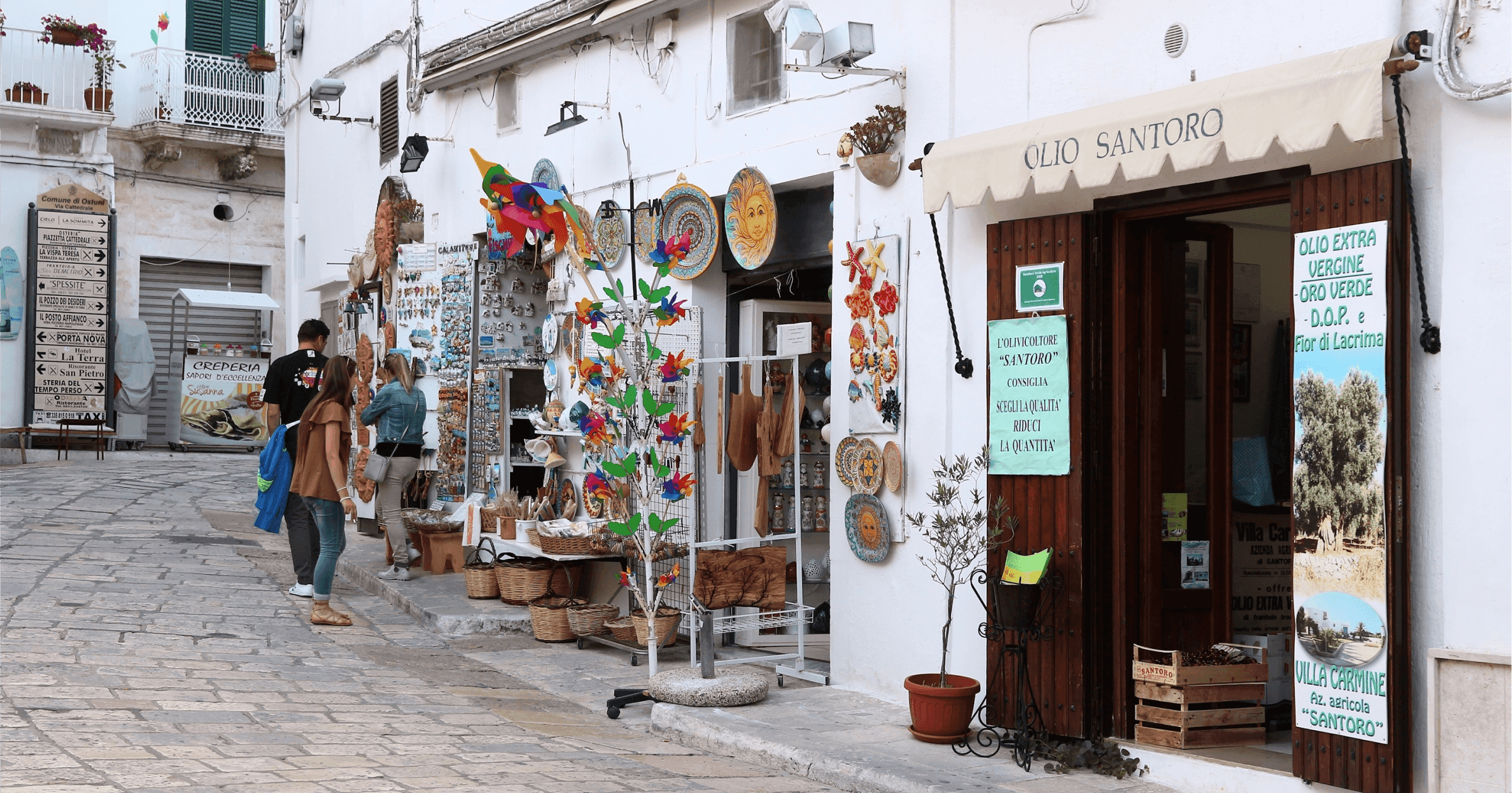
Benefits of the digital nomad visa in Italy
The digital nomad visa offers numerous benefits for remote workers:
- This visa permits you to live legally in Italy for an extended duration while continuing to work remotely.
- With a nomad visa, you can explore Italy and other countries in the Schengen zone.
- Immerse yourself in the rich Italian culture, language, and lifestyle.
- Connect with other digital nomads and professionals in Italy, expanding your network.
Tips after receiving your nomad visa
Be smart with your money transfers
While living in Italy, you might need to send money to family and friends in other countries. Profee offers a reliable and efficient way to transfer funds internationally. Send money from Italy to India, Nigeria, the Philippines, and over 90 other countries worldwide, ensuring your loved ones receive financial support quickly and securely. The service offers competitive exchange rates, low fees, and excellent customer service, making global money transfers hassle-free.
Learn basic Italian
While many Italians speak English, learning basic Italian phrases can enhance your experience and help you integrate better. Explore local cuisine: Enjoy the diverse and delicious Italian cuisine, from pasta and pizza to regional specialities.
Stay connected
Use co-working spaces and digital nomad communities to stay connected and productive.
Travel smart
Take advantage of Italy's extensive transportation network to explore different regions during your stay.

Case study
Rahul Kapoor, a 32-year-old software developer from Bangalore, India, was working remotely for a U.S.-based tech company. Attracted by Italy’s culture and lifestyle, Rahul decided to apply for the newly introduced digital nomad visa in 2024. Rahul began by gathering the required documents:
- A letter from his U.S. employer confirming his remote work arrangement.
- Documentation showing his income exceeded Italy’s minimum threshold.
- An international policy covering his stay in Italy.
- A rental agreement for an apartment in Florence.
- A clean record obtained from local authorities in Bangalore.
He submitted these documents, along with his visa application, at the Italian consulate in Bangalore. After a few weeks, Rahul’s visa was approved, granting him a one-year stay.
Rahul relocated to Florence, balancing his U.S. work hours with the Italian lifestyle. He stays connected with his family in Bangalore by using Profee money transfers. Rahul faced some challenges, such as navigating Italy’s bureaucracy and adjusting to the language barrier, but overall, his experience is positive.
Italy's nomad visa is a fantastic opportunity for remote workers to experience the country's vibrant culture, history, and beauty while maintaining their professional commitments. Understanding the application process, meeting the requirements, and leveraging services like Profee for international money transfers can make your digital nomad journey in Italy smooth and enjoyable. Apply today and start your Italian adventure!