
Public holidays in Germany 2026

Holidays in Germany are worth waiting for, but to get the most out of them, expats need a proper plan. This guide contains a full calendar of public holidays in Germany with tips and history behind each date – read on and start celebrating like a local.
Calendar of German holidays in 2026
10 tips on bank holidays in Germany
History behind holidays in Germany
FAQ – Holidays in Germany
Calendar of German holidays in 2026
There will be nine national holidays in Germany in 2026:
| Date | Official holidays in Germany | Day of the week |
|---|---|---|
| January 1st | New Year’s Day | Thursday |
| April 3rd | Good Friday | Friday |
| April 6th | Easter Monday | Monday |
| May 1st | May Day | Friday |
| May 14th | Ascension Day | Thursday |
| May 25th | Whit Monday | Monday |
| October 3rd | Day of German Unity | Saturday |
| December 25th | Christmas Day | Friday |
| December 26th | Boxing Day | Saturday |
These are the German national holidays celebrated in every state of the country. However, some dates are observed only locally.
Local official holidays in Germany
| Date | State public holidays in Germany | States | Day of the week |
|---|---|---|---|
| January 6th | Epiphany |
Baden-Württemberg, Bavaria, Saxony-Anhalt |
Tuesday |
| March 8th | International Women’s Day |
Berlin, Mecklenburg-Vorpommern |
Sunday |
| April 5th | Easter Sunday | Brandenburg | Sunday |
| May 24th | Whit Sunday | Brandenburg | Sunday |
| June 4th | Corpus Christi |
Baden-Württemberg, Bavaria, Hessen, North Rhine-Westphalia, Rhineland-Palatinate, Saarland |
Thursday |
| August 15th | Assumption of Mary | Saarland | Sunday |
| September 20th | German World Children’s Day | Thuringia | Sunday |
| October 31st | Reformation Day |
Brandenburg, Bremen, Hamburg, Niedersachsen, Schleswig-Holstein, Saxony, Saxony-Anhalt, Thuringia, Mecklenburg-Vorpommern |
Saturday |
| November 1st | All Saints’ Day |
Baden-Württemberg, Bavaria, North Rhine-Westphalia, Rhineland-Palatinate, Saarland |
Sunday |
| November 18th | Repentance Day | Saxony | Wednesday |
The key takeaway for expats – the state you live in matters. Keep track of both the national holidays in Germany and local events, otherwise, you may be surprised to go outside and notice that everyone is celebrating something, while you’re ready to hit the office :)
Decide where to live: Cheapest cities in Germany for expats.
10 tips on bank holidays in Germany
Holidays are something to be excited about, not stressed, so we’ve collected 10 things every expat in Germany should know.
1. Public holidays in Germany → day off
The majority of workers take time off during national celebrations. However, if you work in healthcare, emergency services, hospitality, or other critical sectors, you may be required to skip the day off.
2. In the office on holidays → better compensation
If you work during holidays in Germany, a company must offer higher pay or an additional day off. The amount of pay depends on your contract, but typically ranges from 50% to 150% above the regular wage.
For employees: How to make your CV perfect to get a job in Germany.
3. Stores are closed → shop early
Buying groceries on German bank holidays can be a real challenge. Lidl, Aldi and other major chains rest, while small local points close early. So, it’s very important that you think of a holiday menu in advance and buy ingredients a couple of days before the date. Don’t forget to pack your refrigerator with sweets and treats for a special occasion.
Tips: Grocery shopping in Germany – top supermarkets and delivery services.
4. Public institutions are closed → track deadlines
If you have a deadline for submitting or receiving a document, don't plan a visit on any of the upcoming holidays in Germany. The day before is also not the greatest option. Always book an appointment in advance, especially since the German bureaucracy is infamous for its slow processing times. Don’t let it ruin your holidays.
5. Transport operates on a reduced schedule → plan trips accordingly
Google Maps and similar applications often fail to show correct data during holidays in Germany. When building a route, take longer waiting times into account. It’s better to come early than late, anyway.
Explore: Discover Germany with the 49-euro ticket.
6. Banks are closed → send money with Profee
For gifts and urgent transfers during German bank holidays, banks are of little help. They temporarily stop operations and close branches, so you can’t go there to request a transfer. An alternative solution is Profee. With this online service, you can send money in minutes to 90+ destinations. Use cards, Apple Pay/Google Pay, or top up the Profee wallet beforehand for an instant delivery.
7. Restaurants are full → book a table
Tourists and locals absolutely love to dine out and share a glass of a good drink during holidays in Germany. So, you won’t be the only one looking for a vacant seat – don’t test your luck.
8. City centre is busy → search for less crowded spots
Of course, everyone wants to visit a lively Christmas market and enjoy festive shopping. However, if you prefer avoiding crowds, there are hundreds of less popular places and events that still set you in the right mood.
9. International team → notify your colleagues
It’s not their responsibility to track your calendar, so let your colleagues know about the upcoming holidays in Germany. Do it a couple of weeks ahead to not let the team down, or keep a smooth workflow.
10. Prices go up → plan your budget
Accommodation, flight and train tickets, gifts – expenses can double and triple during holidays. So, you should have a clear budget plan to follow. Following your heart and purchase impulses is not the best strategy here.
History behind holidays in Germany
Knowing what’s hidden behind each celebration can make it more magical or, at least, more interesting. For those who want to immerse themselves in the local culture, we’ve prepared a short description of all public holidays in Germany.
New Year
Germans call New Year’s Eve ‘Silvester’, honouring the Pope Silvester who died on December 31st in 335. But even before Christianity, German tribes celebrated Rauhnächte (The Twelve Nights) – a period from late December to early January believed to be a time of spirits and a stronger connection with the ‘other’ world.
Good Friday
Good Friday is a religious holiday, commemorating the crucifixion, suffering, and death of Jesus Christ at Calvary. Germany began observing this day after Christianization, so exact dates are difficult to define.
Easter Monday
Another Christian observance, influenced by the pagan tradition of welcoming spring with rituals and large bonfires. The narrative of hare hiding eggs and egg hunting has become popular much later – the first written mention dates back to the 17th century.
May Day
Surprisingly, the reason why Germany has this holiday is the Haymarket Affair in 1886 in Chicago. Learn what it was and why it happened on the Britannica website. In short, the labour movement for workers' rights was a success, which led to the announcement of International Workers' Day.
However, there are more layers. May Day has a dual background in Germany – before the labour movement, the day was associated with pagan festivals and the celebration of rejuvenation and fertility.
Ascension Day
Originally, it was a Christian holiday, marking the day Jesus ascended into heaven. But over the years, it’s become the German version of Father’s Day. The logic is simple: Jesus returned to his Father in heaven, so all fathers on Earth deserve attention, too.
Whit Monday
Guess what? It’s another Christian holiday. The reason to observe – the Holy Spirit's arrival on Earth. However, like any other religious occasion, Whit Monday is the day when families gather together, have fun and play outdoors. You don’t have to be Christian to spend this day with joy.
Day of German Unity
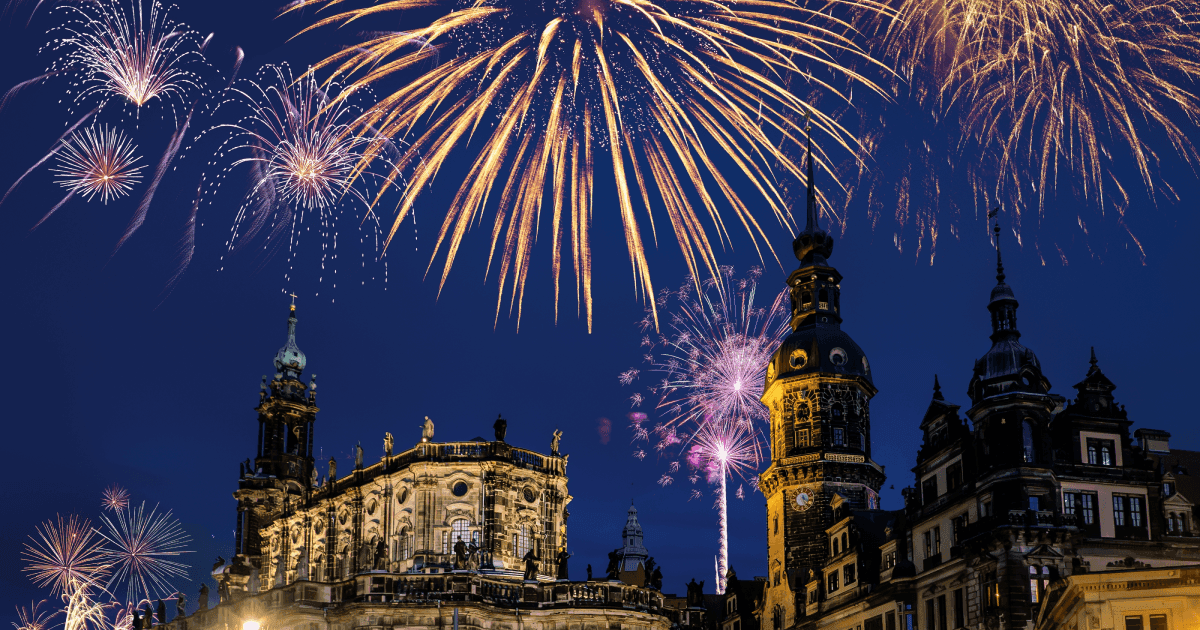
This holiday commemorates the formal reunification of East and West Germany in 1990. It’s one of the youngest celebrations in the country, yet one of the most emotional ones. Festivals, music, fireworks, meals – this holiday is full of love, support and pride.
Christmas Day
This warm and hopeful celebration is also a blend of pagan and Christian traditions. It was Martin Luther who moved gift-giving from St. Nicholas Day (December 6th) to Christmas Day (December 25th), which made it a holiday it is today.
Boxing Day
A continuation of Christmas Day, or the second day of celebration. It’s a slow and relaxing moment that families and friends share together over the meal and sweet talk.
FAQ – Holidays in Germany
What are the May holidays in Germany in 2026?
May Day (May 1st), Ascension Day (May 14th), and Whit Monday (May 25th).
Do Germans work 5 days a week?
Yes, it’s a standard workweek, which can change due to your specific position or holidays.
How long is summer break in Germany?
Typically, summer school break lasts for 6-7 weeks in Germany. It’s the perfect opportunity for families to go on vacation and spend time together.
For parents: Schools and education in Germany.
What is Santa called in Germany?
Der Weihnachtsmann.
Do Germans say "Merry Christmas"?
Yes, but in German – “Frohe Weihnachten!”