
Cost of living in the UK in 2026: Rent, food, transport, and more

In 2026 in the UK, a single person needs at least 833.3 GBP per month to cover basic costs, and the rent comes separately at around 800-1,600 GBP. Below, you'll find the breakdown of the cost of living index – with food, rent and transportation prices in Britain, taken from Numbeo on July 22nd, 2026.
Average monthly costs: Calculate your total budget
Housing and accommodation: rental prices will be your biggest challenge
Utilities: Control your household expenditure beyond rent
Food and dining: Eat well without overpaying
Transportation costs: Get around wisely
Leisure and shopping: Remember to enjoy life
Practical tips for cutting living expenses
FAQ – What is the cost of living in the UK?
Average monthly costs: Calculate your total budget
The cost of living in the UK per month for a single person is 833.3 GBP, excluding rent, while a family of four has to earn around 2,889 GBP, as of 2026. Britain is pricier than most of continental Europe, and expats should be ready for it. While costs stay below those in Switzerland, families moving from Portugal or Poland instantly feel the difference in their budgets.
The National Living Wage (minimum wage) equals 12.60 GBP per hour in 2026, and allows workers to cover basic expenses. However, it’s not enough to lead a comfortable lifestyle and save money for trips. Aim for higher earnings, especially if you bring a family with you.
Housing and accommodation: rental prices will be your biggest challenge
Rent is your highest fixed cost, which will absorb 40–60% of your salary. The UK has been facing the housing crisis for years – thousands of people want to get a flat, yet the market is limited. During this crisis, the rental prices skyrocketed, especially in London. Here are the numbers you can expect:
Average rent in the United Kingdom
| City centre, GBP | Outside the city centre, GBP | |
|---|---|---|
| 1 bedroom | 620.91–2,244 | 595.33–1,735.71 |
| 3 bedrooms | 1,100–3,721.88 | 900–2,897.06 |
London sits at the top of these ranges; cities like Leeds, Sheffield, Cardiff and Glasgow are more affordable.
“There has been a massive hike in rents, a big increase in demand again—particularly as younger people are moving back into the rental sector, away from their parents—and none of that has been caught up with by the benefits” – Ben Twomey, Chief Executive of Generation Rent.
A simple way to pay less is to share a flat with someone else, which is a total norm among expats and young professionals. You can find a shared flat on SpareRoom, Rightmove and Zoopla. Facebook groups and expat community chats will also do, you can come across some gems there, just make sure you’re not paying a scammer.
If you're planning to stay long-term, you may want to buy your own house or apartment. Before committing to anything, explore different cities, as the cost of living by region affects property values. For example, an apartment in central districts of London costs around 1,395.6 GBP per square foot, while in Wales it drops down to 264.16 GBP.
Utilities: Control your household expenditure beyond rent
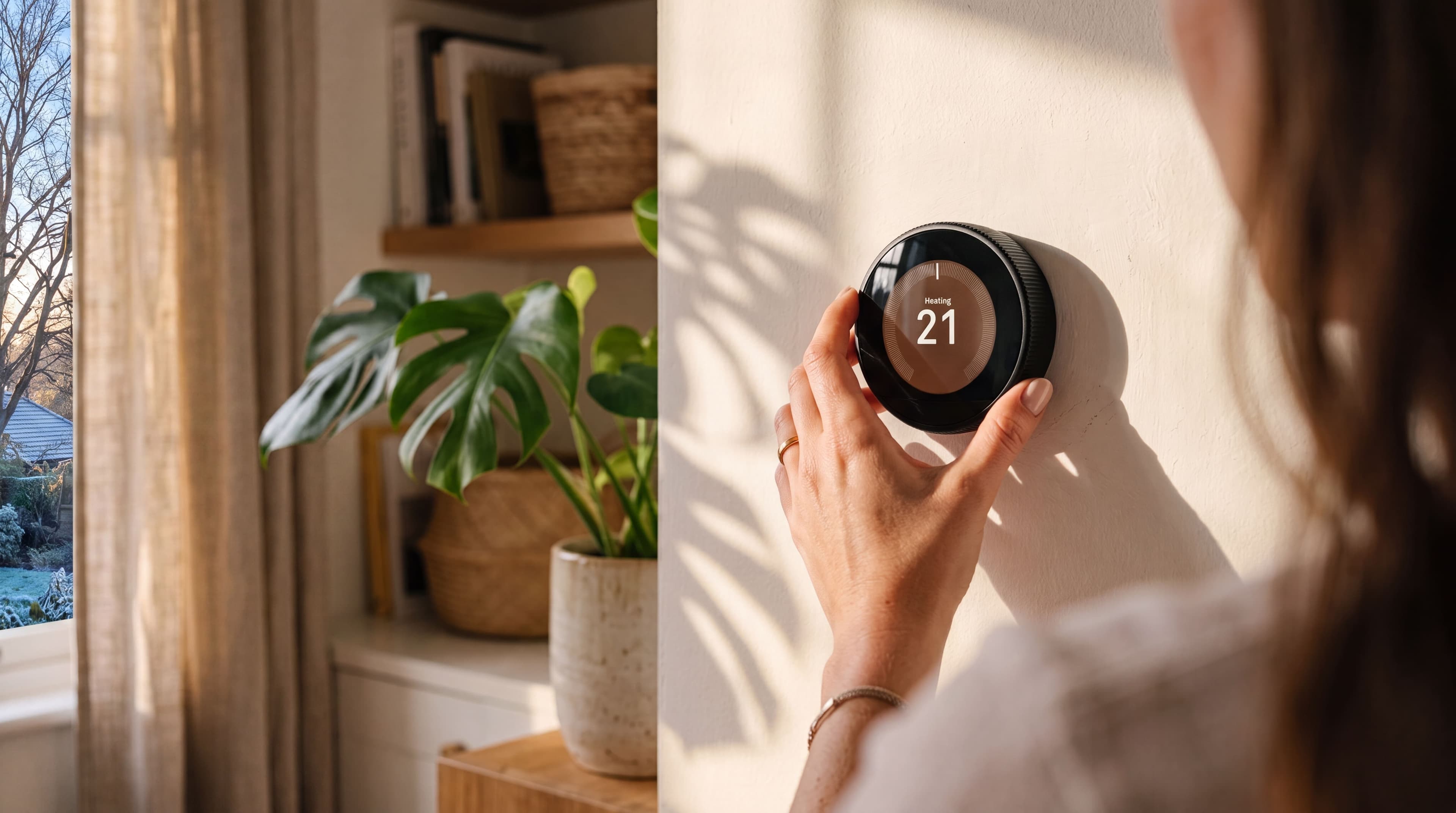
To cover basic utilities, internet and a mobile plan, you’ll pay roughly 270 GBP per month in 2026:
- Basic utilities (electricity, heating, cooling, water, garbage) for an 85m² flat: 242.34 GBP
- Internet (60 Mbps or more, unlimited data): 31.90 GBP
- Mobile phone plan (10+ GB of data): 13.58 GBP
The UK government sets a limit on how much energy suppliers can charge you. This limit is updated every three months, so your household expenditure on electricity and gas can go up or down throughout the year. Until September 1st, the cap is 1,663 GBP per year.
The good news is that you can control your costs. Check our tips:
Food and dining: Eat well without overpaying
Weekly grocery shopping for a single person costs around 40–60 GBP at a mid-range supermarket, and switching to Aldi or Lidl can shave 25–30% off.
Food prices in the United Kingdom in July 2026
The total cart price depends a lot on your planning skills. As an expat (urlocalshieldmaiden on Reddit) shared, “Before I started the weekly menus and planning we were spending £80+ on random shops “whenever we needed them”…Planning has helped save so much money and given me peace of mind too..(Now) the entire shop has an absolute maximum of £60!”
Eating out
A meal at an inexpensive restaurant will cost you around 16 GBP, while a three-course dinner for two at a mid-range place comes to roughly 65 GBP in 2026. Here are more benchmarks for you:
- McMeal at McDonald's: 8 GBP
- Domestic beer, 1 pint: 5 GBP
- Cappuccino: 3.58 GBP
Transportation costs: Get around wisely
A monthly public transport pass costs between 50 and 200 GBP, depending on the city and zone. For example, London's Travelcard costs 128.7–447 GBP per month. Most regional cities are far more reasonable. According to Numbeo, this is what you'd pay on average in the UK:
- Single journey (local public transport): 2–4 GBP
- Monthly adult pass: 50–200 GBP
- Gasoline (1 litre): 1.46 GBP
- New mid-range car (e.g. Volkswagen Golf or equivalent): 28,895 GBP
- Taxi – starting fare: 4 GBP
- Taxi – per mile: 2.61 GBP

Leisure and shopping: Remember to enjoy life
Once you cover the basics, leisure and shopping may add around 150–200 GBP per month to your budget – and if you have children, childcare costs can reach 1,200–1,800 per month for full-time private kindergarten. Here are some 2026 prices:
- Fitness club (monthly fee, 1 adult): 34.61 GBP
- Tennis court rental (1 hour, weekend): 13.53 GBP
- Cinema ticket: 10 GBP
- Pair of jeans (Levi's 501 or similar): 67.82 GBP
- Summer dress (chain store like Zara): 34.26 GBP
- Running shoes (like Nike, mid-range): 76.80 GBP
- Childcare costs (private kindergarten, full-time, per month): 900–2,048 GBP
The good news is that the UK government provides up to 30 free childcare hours per week for children aged 9 months to 4 years, which can bring childcare costs down. Sign up as early as possible, as spots fill fast.
Practical tips for cutting living expenses
Resist "lifestyle creep"
When your income goes up, try not to let your spending go up with it. Instead, put the extra money into a savings account, build an emergency fund, or top up your pension. Even small amounts add up over time.
Embrace second-hand culture
Buying second-hand is more common in the UK than in many other countries. Vinted, Facebook Marketplace and local charity shops are worth checking before buying anything new: furniture, clothes and electronics can all be found at much lower prices. It’s an easy way to cut your living expenses without changing much about how you live.
Sort your tax position early
Check whether your home country has a Double Taxation Agreement with the UK, so you can avoid paying tax twice on the same income. It’s also worth speaking to an accountant in your first year, as the UK tax system has rules that many expats are not aware of. Getting this right early can protect a lot of your household expenditure.
Pick up the local savings habits
A few things locals know that expats often discover too late: supermarkets cut prices on fresh food heavily after 7 pm; the British Museum, National Gallery and dozens of other major attractions are completely free; and an NHS Prescription Prepayment Certificate caps your prescription costs at 9.90 GBP per item. Talk to people who have been living in the UK for a long time and ask for similar “hacks”.
FAQ – What is the cost of living in the UK?
How much money do I need to live comfortably in the UK?
Around 3,000-4,000 GBP per month if you rent an apartment alone.
What's the average salary in the UK?
Average weekly earnings (AWE) were 699 GBP for regular earnings in May 2026. It equals 2,796 GBP per month.
What is a middle-class salary in the UK?
There are no official caps on middle-class salaries, but they typically range from 45,000 to 70,000 GBP annually.
Can I get permanent residency in the UK if I buy a house?
No. Non-EEA nationals must follow the standard visa routes and eventually apply for Indefinite Leave to Remain (ILR).
Can you live on 1 000 GBP a month in London?
Only if you live alone and don’t pay rent.