

Electronic Aufenthaltstitel explained: Biometric card, PIN and collection process

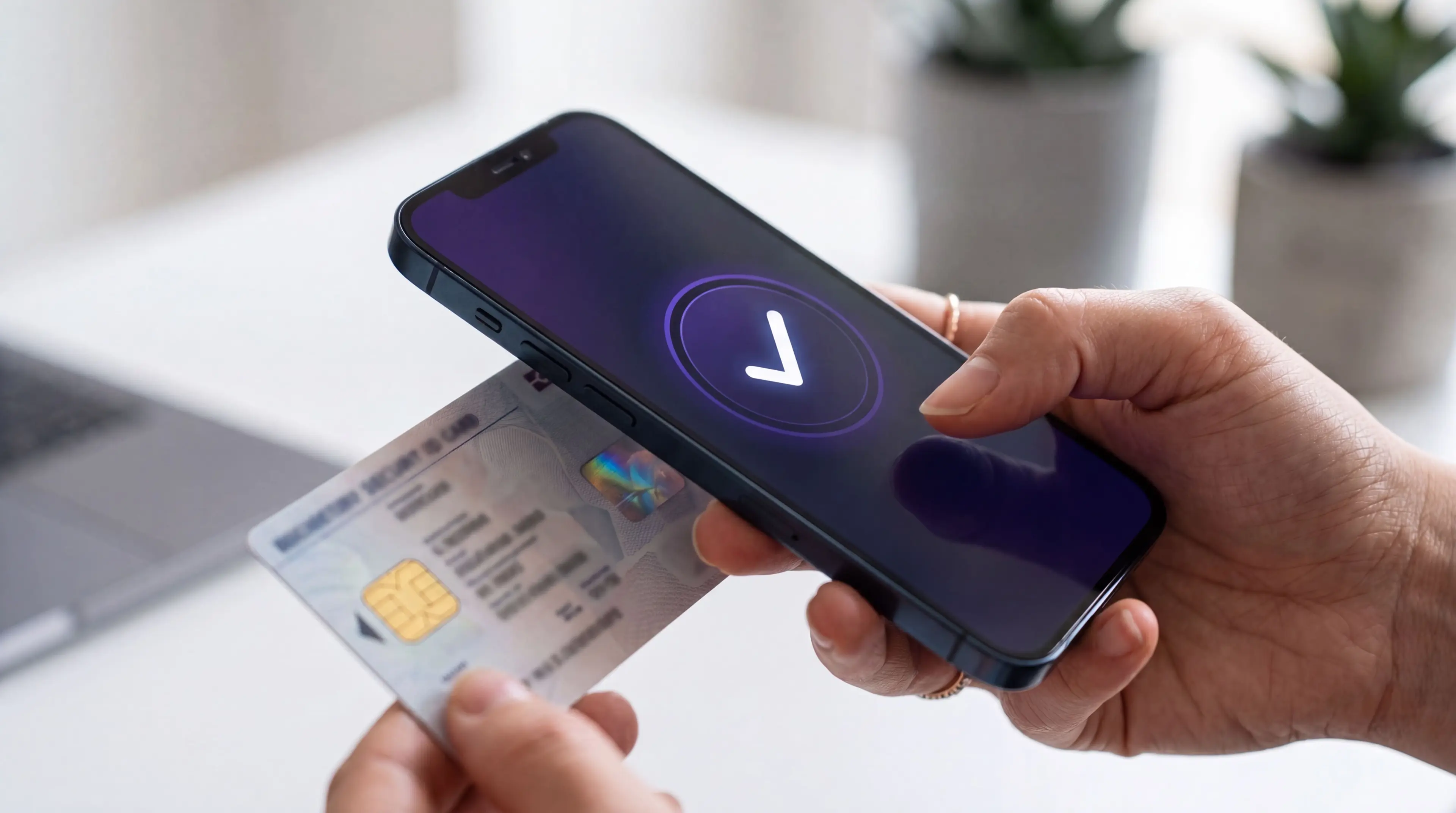
Since September 1st, 2011, Germany has phased out traditional paper labels and passport stickers, replacing them with the electronic residence permit (known in German as the elektronischer Aufenthaltstitel or eAT card). Issued in a secure credit-card format, it’s a multifunctional card embedded with an electronic contactless biometric chip that unlocks digital government and commercial services for individuals holding non-EU residency.
Here is a comprehensive, step-by-step breakdown of how to obtain eAT status, how to prepare your application, how the PIN letter works, and what you need to know about your physical collection appointment.
eAT explained
Step-by-step eAT card application guide
The PIN letter (PIN-Brief)
The eID Function
Collection process
Lost or stolen eAT
FAQ – German electronic residence permit
eAT explained
The electronic residence permit is a mandatory residence permit card for all third-country nationals (non-EU/EEA citizens) moving to Germany. This includes holders of standard residence permits, EU Blue Cards, settlement permits (Niederlassungserlaubnis), family members of EU citizens and others. Infants and children of all ages are also issued their own individual cards to verify their non-EU residency.
‘Our state is becoming more and more digital step by step, and that is becoming increasingly clear. We want to make people’s lives easier, save valuable time, put an end to paperwork and avoid administrative procedures,” – Nancy Faeser, Interior Minister.
To prevent identity fraud, a biometric chip embedded inside the card stores three types of data (as of 2026):
- Personal data: Your full name, date of birth, nationality, and registered address.
- Biometric data: A digital passport photo and two pieces of fingerprint data (taken from all applicants aged 6 and over).
- Ancillary provisions (Nebenbestimmungen): Any specific legal conditions of your stay, such as work permit limitations or study requirements.
As the card body itself has limited space, these conditions are saved on the biometric chip and printed on a separate green paper sheet (Zusatzblatt) that is handed to you with your residence permit card. The physical card will simply state "Siehe Zusatzblatt" ("See supplementary sheet").
Privacy protections
There is no central national biometric database – your fingerprint data is only stored on the local systems of your immigration office (Ausländerbehörde) until you pick up your physical card, after which it is permanently deleted. Furthermore, online service providers using the card cannot see your photo or fingerprints; only sovereign bodies like the police, customs, and immigration officers hold the digital keys required to read this biometric information.
Step-by-step eAT card application guide
Step 1: Address registration (Meldung)
You must register your residential address in Germany at your local Residents’ Registration Office (Einwohnermeldeamt or Bürgeramt) within two weeks of moving into an apartment. You will receive a registration certificate (Meldebestätigung), which is a prerequisite for your application to obtain eAT authorisation.
Step 2: Application
You must apply in person at the Ausländerbehörde (Immigration Authority or Migrationsamt) that holds jurisdiction over your registered city or district. Book your appointment (termin) online, via email, or by phone as early as possible, as open slots fill up quickly.
Step 3: Required documents
Depending on your location and permit type, documents may vary, but the core papers are the same:
- A valid passport: Your new electronic residence permit will only be valid as long as your physical passport is valid.
- A digital biometric passport photo: Starting May 1st, 2025, passport photos must be submitted exclusively in a digital format. You must have this taken directly at the immigration authority's self-service terminals, in a professional photo studio, or via a certified digital photo service provider. Bringing physical paper prints or a photo on your smartphone is forbidden.
- Proof of German address: Your formal rental agreement (Mietvertrag) or your Meldebestätigung.
- Proof of health insurance: Confirmation of active statutory (gesetzlich) or private health insurance in Germany.
- Proof of financial means: Employment contracts and recent payslips (Gehaltsabrechnungen). For students, this means blocked bank account confirmations (Sperrkonto) or scholarship certificates.
- Category evidence: Documents proving the reason for your stay (e.g., a university enrollment certificate).
Always verify the document list with the authority responsible for your application – required papers change, and it would be a pity to miss one document and start all over again.
Step 4: In-person appointment
During your appointment, an officer will review your documents and record your biometric data. You will scan your fingers (typically both index fingers) on an inkless digital scanner to capture your fingerprint data. Fingers are scanned three times, and only the highest-quality scan is saved to your file.
You will also pay the administrative processing fee. The cost depends on the type and duration of your residence title:
- First-time issuance (Grant): 100 EUR
- Extension up to 3 months: 96 EUR
- Extension for more than 3 months: 93 EUR
- Permanent Settlement Permit (Niederlassungserlaubnis): 113 EUR (increases to 124 EUR for self-employed individuals, and 147 EUR for highly qualified specialists).
Fees are correct as of 2026 but may change.
Step 5: Production and waiting times
Once approved, the local office sends your data securely to the Federal Printing Office (Bundesdruckerei) in Berlin, where the card is physically produced. Because the cards can’t be printed locally, you must expect a waiting/processing time of at least 4 weeks as of 2026.
If you come to Germany to work and support your family, you’ll need a service to send money home. With Profee, you’ll be able to do it quickly – over 95% of our transfers arrive within minutes. Explore what we offer for 90 destinations on our app or website.
The PIN letter (PIN-Brief)
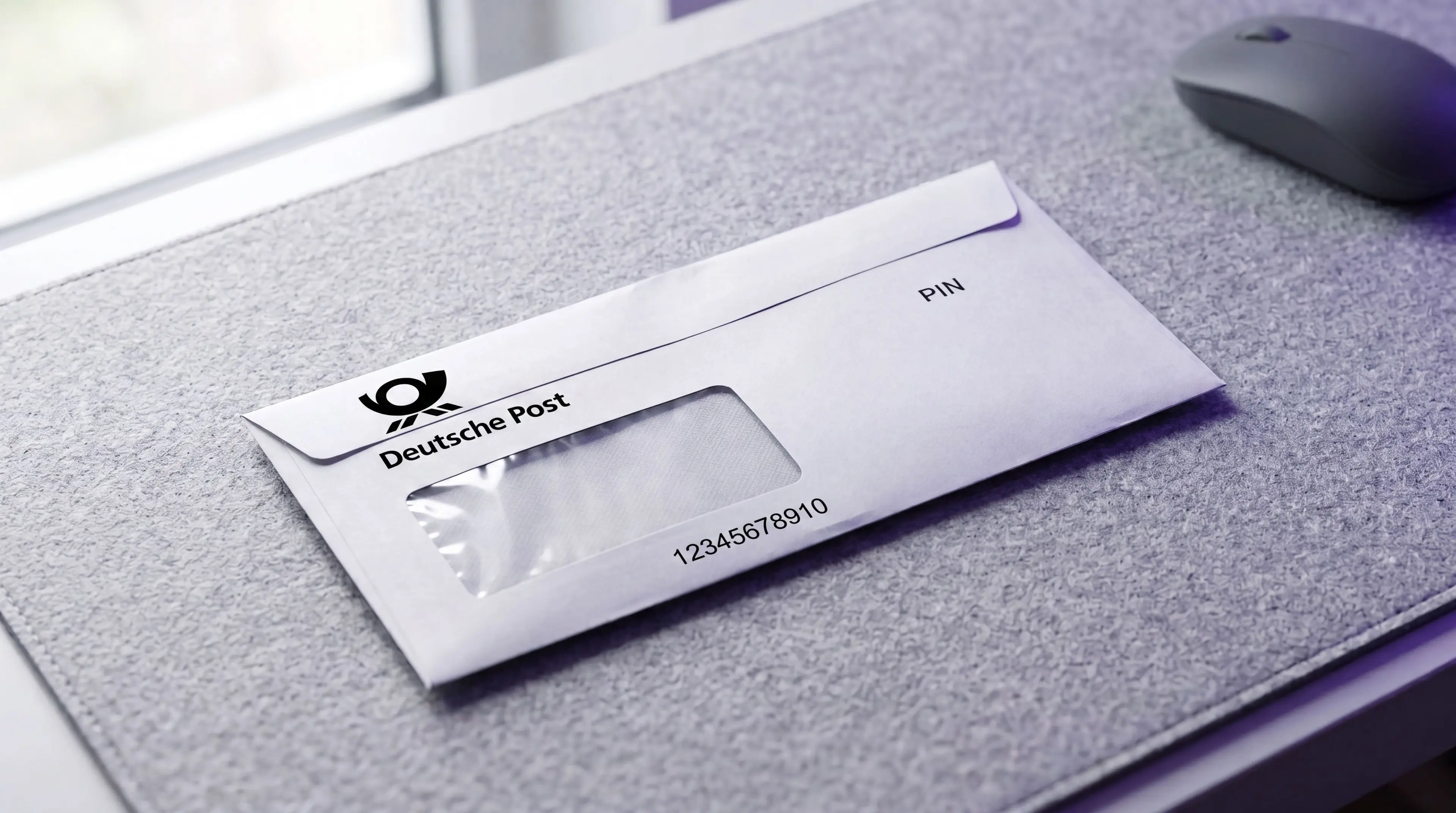
The PIN letter contains a 5-digit transport-PIN, a 10-digit PUK, and a unique blocking password that together unlock the card's electronic capabilities. This letter is usually provided directly by the authority responsible for your application. However, some older local guidance may still mention postal delivery from Berlin – so always follow the explicit instructions given by your local Ausländerbehörde.
- A 5-digit ‘transport PIN’: This is a temporary activation code. To use the card’s electronic identification (eID function) options, you must replace this 5-digit code with a 6-digit personal PIN of your choice.
- A 10-digit PUK (Personal Unblocking Key): Used to unblock your card if you enter the wrong PIN.
- A blocking password (Sperrkennwort): A unique keyword used to deactivate the digital identity function to initiate a remote PIN blocking procedure if your card is ever lost or stolen.
You can change your 5-digit transport PIN to a secret 6-digit personal PIN at home using an NFC-enabled smartphone (or USB card reader) and the official, free German government software AusweisApp. Alternatively, you can request to change it on a self-service terminal or at the immigration office when attending your physical collection appointment.
Wrong PIN entries: If you enter the wrong PIN twice, the system will ask for the Card Access Number (CAN), a 6-digit number printed on the front of your card. If you enter the wrong PIN a third time, the eID function will be blocked for safety. You must then enter your 10-digit PUK to unblock it (the PUK can be used up to 10 times). If you lose your PIN entirely, you must visit the immigration office in person to have it reset.
The eID Function
The online identification (eID function) acts as a highly secure ‘two-factor authentication’ method (requiring possession of the physical card and knowledge of your secret 6-digit personal PIN). It’s voluntary and allows you to:
- Log in to government portals securely (such as BundID).
- Open bank accounts, verify your identity for online banking, or register mobile SIM cards.
- Secure online identification with electronic signatures.
Qualified electronic signatures are a separate function and require a qualified trust service provider or signature certificate and suitable technical setup; the eAT card alone doesn’t automatically let you sign contracts with QES.
- Confirm your age or place of residence automatically on online systems without revealing unnecessary personal details (the card simply transmits a ‘yes’ or ‘no’ verification).
‘In addition, the new procedure increases the security of citizens against misuse of their ID documents: Continuous digital processing ensures that their photos cannot be manipulated.’ – Federal Ministry of the Interior and Community.
Collection process
Once your residence permit card has arrived at your local immigration office, you are ready to attend a collection appointment. However, collection is strictly regulated to protect your digital identity.
Confirming receipt of the PIN letter
The eAT card can only be handed out with the eID function activated if you confirm in writing that you have received your PIN letter. During your collection appointment, you will sign an official Declaration of Receipt of PIN Letter (Erklärung zum Erhalt des PIN-Briefes).
If you don't have your PIN letter on pickup day, you can't get the card with its online features turned on. To give you the card, the office has to do one of two things:
- Turn off the online features entirely before handing it to you.
- Reset your PIN right there at the desk so you can safely turn the online features back on.
In-person collection vs postal delivery
In some municipalities, you must collect your card in person during a designated collection appointment. In other regions (for example, in the city of Bremen), the office may choose to mail the physical card directly to your registered home address once they receive it from the Bundesdruckerei.
Lost or stolen eAT
If you find yourself dealing with a lost or damaged eAT, you must act quickly to prevent misuse of your electronic identity and begin the process to replace lost eAT documents.
- Block the eID function immediately: Call the centralised, round-the-clock emergency blocking hotline to request an immediate PIN blocking action:
116 116 (Toll-free within Germany)
+49 116 116 or +49 30 40 50 40 50 (From abroad, charges apply).
You will need to provide your full name, date of birth, and the blocking password from your PIN letter to finalise the PIN blocking.
- Report to the authorities: You must inform the police of the theft, and you must formally report your lost or damaged eAT to your local immigration office (Ausländerbehörde) separately.
- Block electronic signatures: If you have loaded a custom Qualified Electronic Signature certificate onto your card, reporting the loss to the immigration office doesn’t automatically block your signature. You must contact your signature provider separately to block it.
- Apply for a replacement: You will need to book a new appointment at the Ausländerbehörde and submit documents to order a replacement card and officially replace lost eAT credentials.
FAQ – German electronic residence permit
Is an Aufenthaltstitel a residence permit?
Yes, Aufenthaltstitel is a German term for a residence permit.
How to activate an electronic residence permit in Germany?
You’ll receive a 5-digit transport PIN, change it to your 6-digit personal PIN via the AusweisApp. After that, the eID function will be activated.
Can I travel outside Germany with an Aufenthaltstitel?
Yes, you can stay in Schengen Area countries for up to 90 days within any 180-day period without a visa. However, always have a physical residence card and your national passport with you.
When should I apply for an Aufenthaltstitel?
At least 6-8 weeks before your visa expires. The earlier the better.
Where to renew an Aufenthaltstitel?
At your local Ausländerbehörde (Foreigners' Registration Office). Only in the area where you’re registered officially.