Football scams you should know about: How to spot fake tickets, streams and more

Football is a game of passion, but criminals use this passion to steal money from fans. In the last two years, sports fans have lost about $3.3 million to cyber scams. In the UK alone, ticket fraud has cost supporters over £2.5 million since 2023. In this article, you’ll learn about the most common scams and how to stay safe.
Ticket scams and resale fraud
Phishing and fake websites
Betting and gambling scams
Illegal streaming risks
Fake agent and trial scams
Fake merchandise stores
Red flags to watch for
Ticket scams and resale fraud
Scammers often post fake offers for sold-out matches. Most scams (90%) start on social media platforms like Facebook, X (Twitter), or Instagram.
- Counterfeit tickets: Criminals sell fake or "duplicate" tickets.
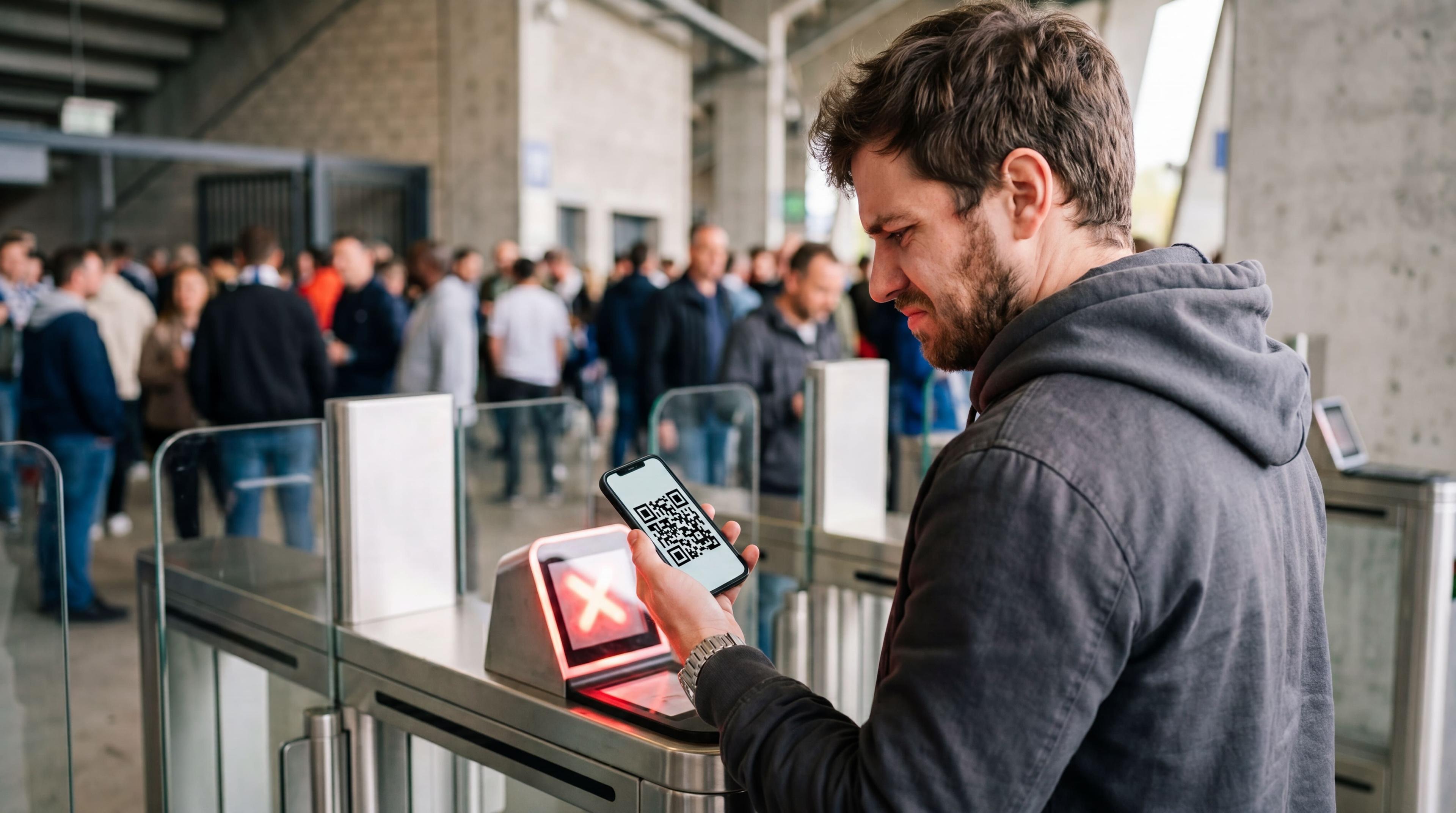
- QR-code fraud: Scammers sell the same digital ticket to many people at once. Only the first person at the stadium gets in; the rest are rejected during match ticket verification.
- Ticket touting: Unofficial sellers (touts) charge huge prices for tickets that may not even exist.
How to stay safe:
- Always use the FIFA Tickets & Hospitality page, UEFA Official Ticketing Portal or Premier League Official Ticketing.
- Be careful with Viagogo or other secondary ticket markets; clubs often block these tickets.
- Only buy from a verified seller.
Phishing and fake websites
Criminals create spoofed club websites that look exactly like the real ones.
- Phishing scams: You receive an email or see a link to a "sale" on jerseys or tickets.
- The trap: When you enter your card details on these phishing / spoofed club websites, the criminals steal your money and your identity.
How to stay safe:
- Check the website address carefully for spelling mistakes.
- Use secure payment methods. Pay by credit card to get Section 75 protection (in the UK) or buyer purchase protection (in the EU). Never pay by direct bank transfer to a stranger.
Betting and gambling scams
Scammers often target fans with promises of "fixed matches" or "guaranteed wins". They also use fake betting apps to steal your information.
- Fixed match scams: Fraudsters on social media claim to have "inside info" on match outcomes. They ask you to pay for these "tips," but it is always a lie.
- Fake apps: Some ads for new gambling sites carry a high malware risk and are designed to steal your bank account login.
How to stay safe:
- Never pay for "guaranteed" betting tips or information about fixed matches; they don’t exist.
- Only use well-known, legal betting apps that you find in official app stores like Bet365, William Hill, Sky Bet, or Paddy Power.
- Watch out for people using terms like fixed odds, safe accumulators, VIP betting tips, or insider bookmaker info. These are common bait words used in phishing scams.
Illegal streaming risks
Many fans try to watch games for free on unauthorised streaming services or illegal IPTV streams, and it’s a real threat to your safety.
- Digital threats (malware risk): These sites often have "pop-up" ads that install viruses or spyware on your computer.
- Data theft: One out of three people using illegal streaming sites becomes a victim of data theft.
How to stay safe:
To avoid the malware risk and data theft on unauthorized streaming services, keep your devices secure:
- Only watch matches through links from official team sites or national broadcasters – if it isn't listed there, it is likely a trap.
- Check for HTTPS in your browser bar; if that secure connection icon is missing, the site isn't safe for your data.
- Never give your bank details to a random platform to "unlock" a stream – if they ask for a card to watch a "free" game, they are likely trying to empty your account.
- Use and update your antivirus and firewall so they can block the background downloads.
- Be wary of IPTV streams that ask you to install specific software, as these "players" are often just covers for hidden trackers.
Fake agent and trial scams
This scam targets young, talented players and their families rather than just spectators. Fraudsters pretend to be professional scouts or agents and promise a dream trial with a major club.
- The trap: They send fake invitation letters that look official to build trust.
- Upfront fees: Scammers demand immediate payment for "visa fees," "insurance," or "administration costs".
- The outcome: In reality, legitimate trials are free, and once the money is sent via non-refundable methods, the "agent" disappears.
How to stay safe:
- Never pay upfront. Any agent asking for money for an invitation letter or a trial is a red flag.
- Verify the agent. Legitimate trials and opportunities should be provided for free by the club or a licensed agency.
- Contact the football club directly using their official contact details to confirm if the trial or invitation is real.
More for football fans:
Fake merchandise stores
Criminals set up professional-looking online shops that pretend to be the official club store.
- Counterfeit goods: These sites offer limited-edition jerseys or gear at huge discounts to attract fans.
- Phishing risk: Like phishing / spoofed club websites, these stores are designed to steal your credit card information.
- No delivery: Fans either receive low-quality counterfeit tickets and gear or, more commonly, nothing at all.
How to stay safe:
- Stick to official team stores or household-name sports shops – it is the only way to be sure you aren't paying for a knock-off or giving your details to a ghost site.
- Look for the padlock icon in your browser bar before you even think about typing in your card number; if the connection isn't secure, neither is your money.
- Be skeptical of deals. If a random "exclusive offer" pops up in your DMs or inbox and the price seems too low, it is likely a phishing scam – treat it as a fake until you can prove it’s real.
Red flags to watch for
Staying safe from ticket resale fraud and other phishing scams usually comes down to spotting a seller who is trying too hard. Watch out for these signs:
- Pressure. If a seller tells you to pay "right now" or claims the tickets will vanish in seconds, they are trying to panic you so you don't stop to check the facts.
- Risky payment methods. Be careful if someone insists on a bank transfer or apps like Venmo and CashApp. These services offer zero buyer protection, so once you hit send, that money is gone for good.
- Prices that are too low: If a ticket for a sold-out game is much cheaper than on other secondary ticket market sites, it is almost certainly a scam.
- Strange website links: Phishing / spoofed club websites often have small spelling mistakes in the address to try and look like an official ticketing portal.
- Paying for trials: Any "agent" who asks for money for a visa or a trial letter before you even start is a major red flag.
- New social media accounts: Be very careful of social media ticket scams from accounts that were just created or have very few followers.
- No contact info: Fake stores often miss a real address or a phone number and only have a basic contact form.
- Strange email address. Avoid clicking on links or answering emails if the address seems suspicious. For example, support@Fiiifa.com, recruiting@big12sports.net, etc.
This article is for informational purposes only. Profee is not affiliated with, endorsed by, sponsored by, or otherwise connected to FIFA, the FIFA World Cup, any national football association, team, player, broadcaster, ticketing provider, or event organiser. All trademarks, names, logos, images, and other intellectual property belong to their respective owners. Information is accurate as of May 15th, 2026 and may change; check official sources for the latest details.
How can I spot a fake ticket before purchase?
- Check the seller's social media account; if it is brand new or has very few followers, it is likely a scam.
- Look at the price; if it is much cheaper than other secondary ticket market sites, be very careful.
- Watch for sellers who refuse credit cards and only want a bank transfer or apps like Venmo.
How to tell if an email is from a scammer?
- Check the link or sender's address for tiny spelling mistakes, like a ".net" instead of a ".com".
- Be suspicious of emails promising "exclusive offers" or huge discounts on jerseys.
- If the email creates a sense of panic or extreme urgency, it is often a phishing scam.
Is it safe to buy tickets at Viagogo?
Viagogo is risky because many football clubs don’t allow tickets to be resold and may block them. You might pay a high price and still be rejected at the stadium gate.
How can I verify if my football tickets are real?
You can check if the ticket is visible in the club’s official mobile app. However, in many cases you’ll know whether your ticket is legit only at the stadium gate.
Tickets bought from a verified seller or the official club site are the only ones guaranteed to be real.
What are common scammer phrases?
- You must pay right now or the tickets will be gone in five minutes.
- I have an exclusive deal that you won't find on any official ticketing portal.
- I can't go anymore, so I'm selling these for half the price.
These and similar phrases are scam red flags.