

Pros and cons of living in Italy

Moving to Italy has its pros: locals live to 84.1 years old on average, and day-to-day life cost is 10-20% cheaper than in many European countries, but there are cons as well since finding a job is tough with unemployment between 5.7% and 6.1%. Plus, only 28.2% of people speak English. While many romanticise sipping espresso and eating pizza on a cosy street, the reality of moving means weighing those lifestyle perks against real economic compromises.
This is what the numbers and actual expats say about living in Italy.
The pros of living in Italy
Healthy and safe society
People here live to 84.1 years on average (2024/25 data) – matching Sweden for the highest life expectancy in the EU – and Italy ranks 33rd on the Global Peace Index, making it safer than France or Serbia. A big reason for that safety net is the public Italian healthcare system (Servizio Sanitario Nazionale), which is accessible to both locals and expats residing and working legally. Family doctor visits, emergency room visits, maternity care and other basic treatments are covered entirely or highly subsidised. Knowing you are safe and that a medical emergency won't bankrupt you is a massive relief when settling into a new country.
‘I defend public health and the interests of citizens, especially those of the most vulnerable.’ – Orazio Schillaci, Italy's Minister of Health.
Affordable cost of living in Italy
Numbeo data sets the baseline at 888 EUR a month for a single person and 3,172 EUR for a family of four before rent in June 2026. If you’re strict with your budget, you can live comfortably and even save money on trips. Your day-to-day expenses will be about 10.9% lower than in Germany and 21.4% lower than in the UK – though this advantage disappears if you choose central Milan or Rome.
Renting a one-bedroom flat in mid-sized or southern towns like Lecce or Terni runs around 400–600 EUR a month, whereas Milan demands 900–1,800 EUR for similar spaces. This gap quickly determines where you can realistically live. The prices are only approximate, so what you see in the listing may be different. For initial budget planning, you can trust these numbers.
If you are retiring, move to specific southern municipalities with a 7% flat tax on foreign income, ensuring your pension stays in your wallet and you can cover the cost of living in Italy easily.
Explore more: Cost of living in Italy in 2026.
Culture, food, and the daily pace
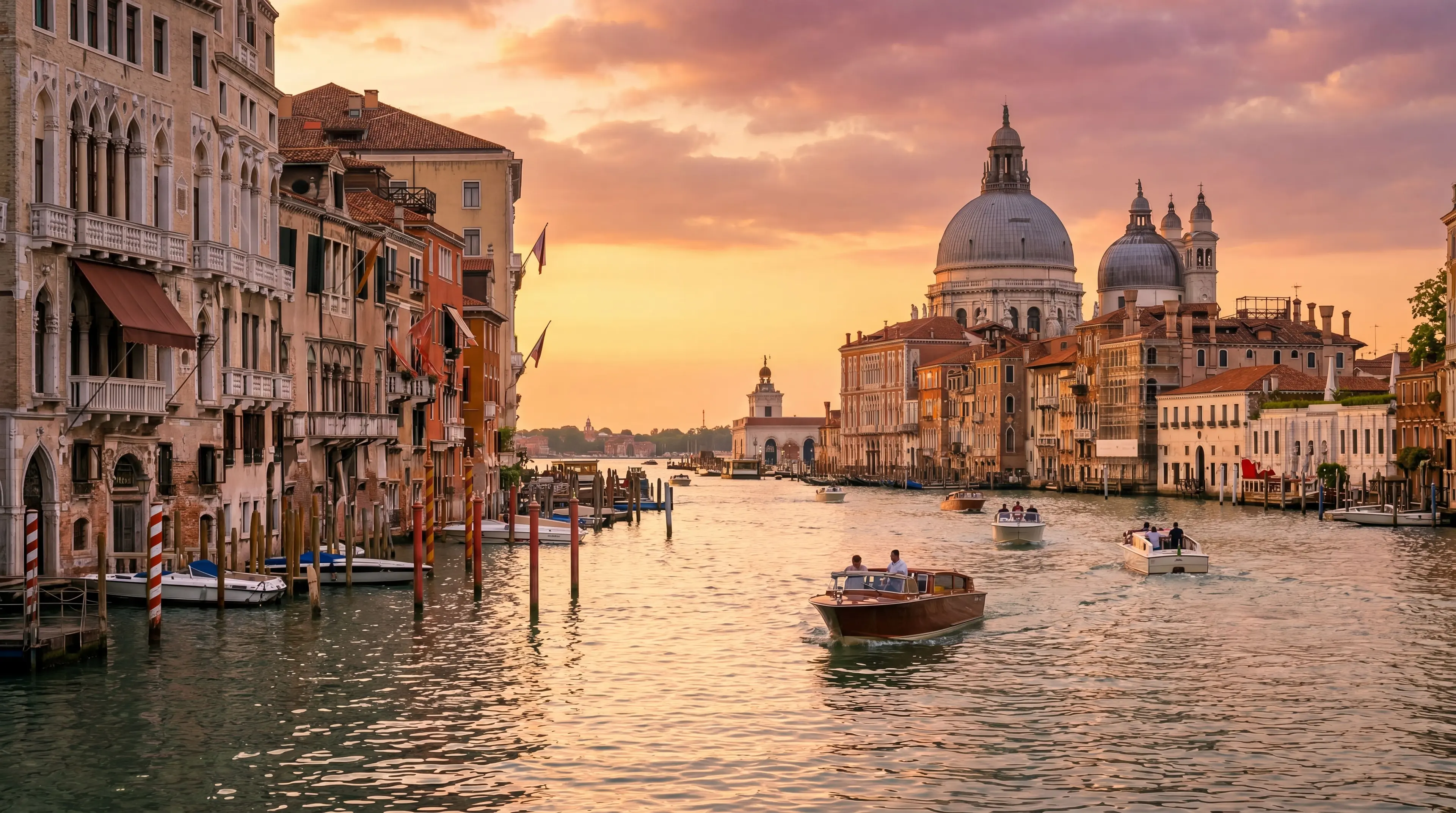
The country has 61 UNESCO World Heritage Sites – more than anywhere else in the world. So, history becomes a part of your daily life in Italy, even when you’re commuting from home to work. Historical richness is only half of the story. When moving to Italy, you’ll enter a society that values community and well-being over work. You don’t need a fortune to eat well, either, as basic ingredients are cheap. It often surprises expats – Christian_teen12 wonders on Reddit: ‘Why is foodstuff so cheap and affordable in Italy?’.
Italian food culture highlights are definitely lunch breaks that regularly last two to three hours. During this time, the entire day slows down so you can sit down and enjoy your food.
If you plan to move to Italy and keep supporting your family back home, explore our service, Profee. We help expats send money to their loved ones in minutes and with complete ease of mind.
The cons of living in Italy
Tough job market in Italy
The unemployment rate sits between 5.7% and 6.1% in 2026, which means local companies have plenty of Italian speakers to choose from, leaving very few openings if you don’t know the language fluently. People point out that salaries are much lower than in Northern Europe, so it’s not the place to go if your main goal is to build a wealthy career:
‘Even if you manage to pull it off and find a proper job that gives you a proper employment contract (this is a big IF), you'll likely still be kind of underpaid compared to your colleagues from Central or Northern Europe (let alone US).’ – respect-privacy-777 on Reddit.
That is why the common advice from expats online is to bring your own job. Landing a remote role with a US or international company before you move lets you keep a stronger foreign salary while enjoying Italy's low living costs.
‘Without a strong increase in productivity, this imbalance will inevitably translate into a decline in GDP and overall welfare… A young graduate in Germany earns on average 80% more than an Italian peer, while the gap with France is around 30%.’ – Fabio Panetta, Bank of Italy Governor and ECB policymaker.
Inefficient Italian bureaucracy
The Italian bureaucracy system ranked last among 46 countries in the Expat Insider’s review 2025. It really seems to be that complicated. Expect your first few months to feel like an endless round of paperwork, since almost nothing can be sorted online. Simple tasks like setting up your internet or opening a bank account become major projects, and getting your residence permit – the permesso di soggiorno – requires real patience. Finding a flat has its own catches; standard leases lock you in for three or four years, so you cannot easily change your mind and move. People on Reddit often warn that you must physically show up and sign your name multiple times because digital services are rare. Though some disagree and say that French and German systems are worse – you can check the full discussion here.
Language barrier and regional divides
Only 28.2% of people speak English (2024 data), and mostly in tourist areas, meaning you will struggle with basic tasks like grocery shopping or calling a plumber without learning Italian.
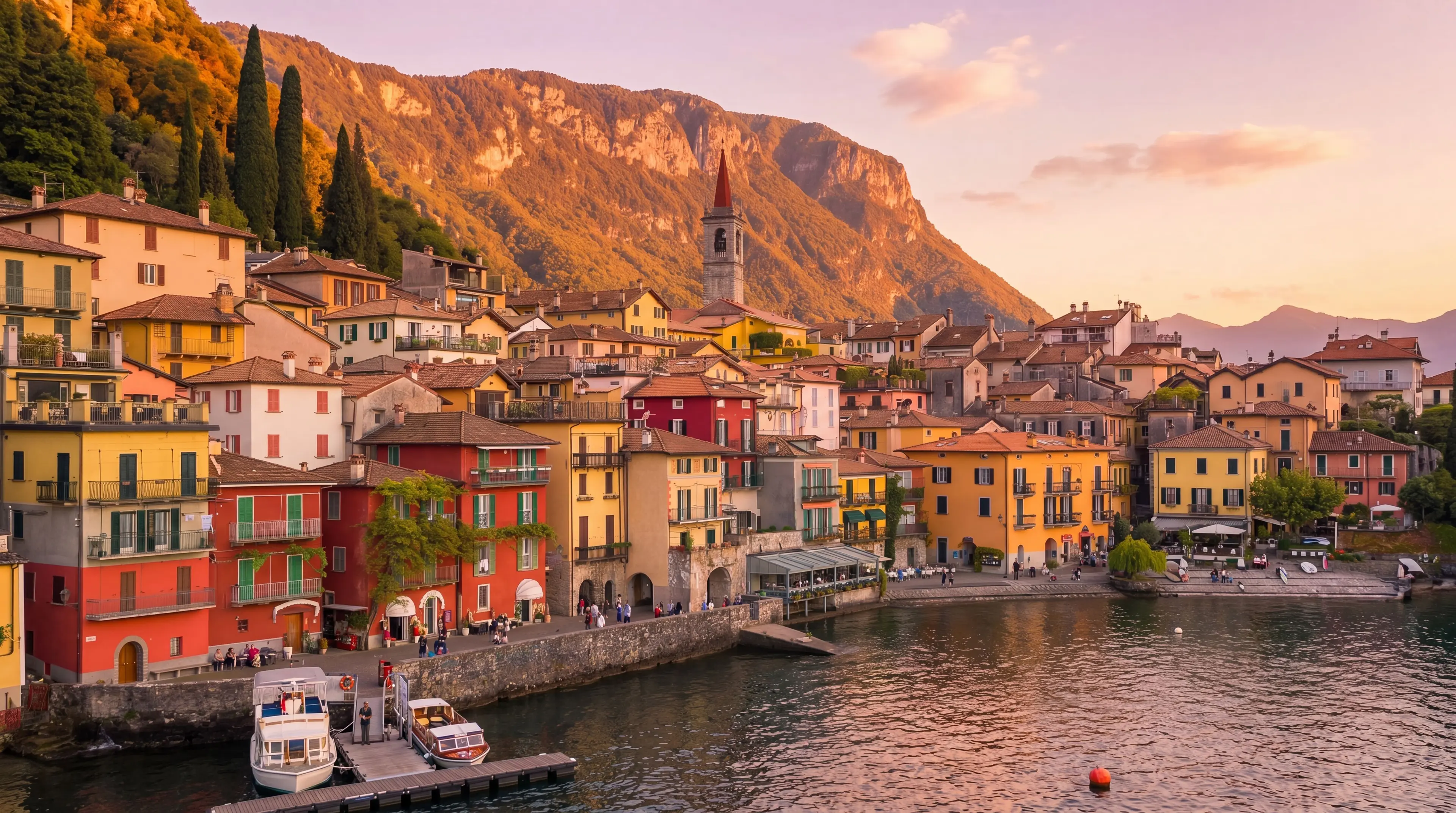
You also have to choose between two completely different economies within one country. People point out that the country is split down the middle, which dictates your daily routine and the quality of life in Italy. The north has working public transport and actual job prospects, but it’s expensive, cold, and suffers from heavy winter smog in the Po Valley. The south is sunny and cheap, but local jobs are incredibly rare, and public services can be frustratingly slow.
Is Italy friendly to foreigners?
Yes, Italy welcomes foreigners and doesn’t limit them in job and social benefits.
What jobs are in demand in Italy?
Healthcare, information technology (IT), and engineering, as of 2026.
What is the easiest job to get in Italy?
Taxi/courier drivers, entry-level positions in tourism, and English teachers.
Is IELTS needed for Italy?
For studying, yes. Alternatives like TOEFL and PTE Academic also usually count.
Is 3,000 EUR a good salary in Italy?
3,000 EUR is around average, so it’s neither bad nor good.