Pros and cons of living in Norway

Living in Norway is worth considering if you want excellent work-life balance, a strong social safety net, and high salaries – but it also means accepting its cons: high taxes, a high cost of living, and the real possibility of social isolation. Norway sits at 6th place in the 2026 US News ‘Best Countries’ ranking, so it’s amazing, but not perfect. Here is a deep dive into the reality of a relocation to Norway, backed by statistics and the unfiltered experiences of foreigners living the expat life.
Three pros of living in Norway: Why you should choose it
Three cons of living in Norway: Reality for expats
FAQ – Relocation to Norway
Three pros of living in Norway: Why you should choose it
Work-life balance and social support
A regular workweek in Norway is just 37.5 hours, and the welfare is backed by the Government Pension Fund of Norway, worth over 22,474 billion NOK, as of June 2026. While Norway has one of the world's highest income tax rates (top marginal rate 47.4% as of 2026), this heavy tax burden directly funds NAV. It provides a robust social safety net, universal healthcare, unemployment benefits, free higher education, and much more.
A personal story: Sara in Norway highlights parental leave as a major benefit of expat life. She and her partner were able to take a full, paid year off work together to stay home with their newborn. That is what a high standard of living looks like when the system is structurally set up to support your family rather than corporate targets.
Tips for expats in Norway:
High and fair salaries
The average monthly salary in Norway sits at around 62,070 NOK before tax, according to Statistisk sentralbyrå. In reality, because the country spreads its wealth evenly, almost any job you take will meet the basic salary expectations needed to clear a comfortable standard of living. You also get strong legal protections, so you don’t have to constantly worry about losing your job overnight.
A personal story: Sara in Norway points out that whether you work as a dishwasher, a waitress, or a dentist, the country pays you well and treats your work with respect. A Reddit user named Worrybrotha backed this up, writing: "Even with a hospitality industry salary I can save money to go on holidays every year, have tons of hobbies and still live nicely." Knowing exactly what you will earn each month takes the sting out of the high local cost of living.
High salaries ensure your family back home can have everything they need. Once in Norway, use Profee to send money back home – we deliver money to 90+ destinations, and money arrives within minutes, on average. It’s fast and simple, so you can enjoy your life in Norway and not worry about money transfers.
Extreme safety and access to nature
About 91% of locals feel completely fine walking alone after dark, which puts the country 8th globally in the Gallup Global Safety Report. You don’t have to look over your shoulder when walking home late, and you will routinely see parents letting young children bike around the neighbourhood completely unsupervised.
You also get a rare relationship with the outdoors – because of a centuries-old law called Allemannsretten (The Right to Roam), public nature access is legally protected. Anyone can pitch a tent, ski, or hike for free on uncultivated land anywhere they want. You always have a free escape from the city to reset your daily quality of life.
Three cons of living in Norway: Reality for expats
Social isolation
Norway ranks 45th out of 46 countries in the InterNations 'Ease of Settling In' Index, with 46% of expats finding it hard to get used to the local culture – it’s statistically one of the hardest places to start over. Newcomers usually run into the 'Norwegian Ice', as locals are polite, but their close social circles were locked in during childhood, and they rarely open them up.
There is also Janteloven, the cultural norm that discourages anyone from standing out. It keeps life peaceful, but it makes socialising feel slow and muted to outsiders. Many people speak perfect English, but learning Norwegian remains essential for true connection and clearing strict immigration requirements.
A personal story: On Reddit, user Worrybrotha shared the lonely side of expat life: 'Managing a place among locals is crazy hard. I have been in Norway for 5 years yet do not have a single person outside work I could call a friend.' Michele, an Italian expat, felt the same – despite a good job, the quiet lifestyle felt so isolating that he eventually gave up and left.
Shocking cost of living
A single person needs roughly 13,431 NOK (around 1,187 EUR) a month to cover basic day-to-day items before even looking at a rental contract, according to Numbeo data (as of June 2026, subject to change).
Finding a place to live brings its own set of steep upfront costs. Most landlords ask for a massive security deposit upfront – typically equal to a full three months of rent – so you need a substantial chunk of savings for your relocation to Norway.
To see what this looks like in practice, a video from 4K Drone Footage points out how these high housing costs and daily bills add up, mentioning that even a basic hot dog from a street stand can cost up to 10 USD. Prices like that force most expats to quickly rebuild their daily routines, trading regular restaurant dinners for a packed matpakke (the traditional packed lunch, usually a paper-wrapped open sandwich) to keep their monthly expenses under control.
Darkness and polar days
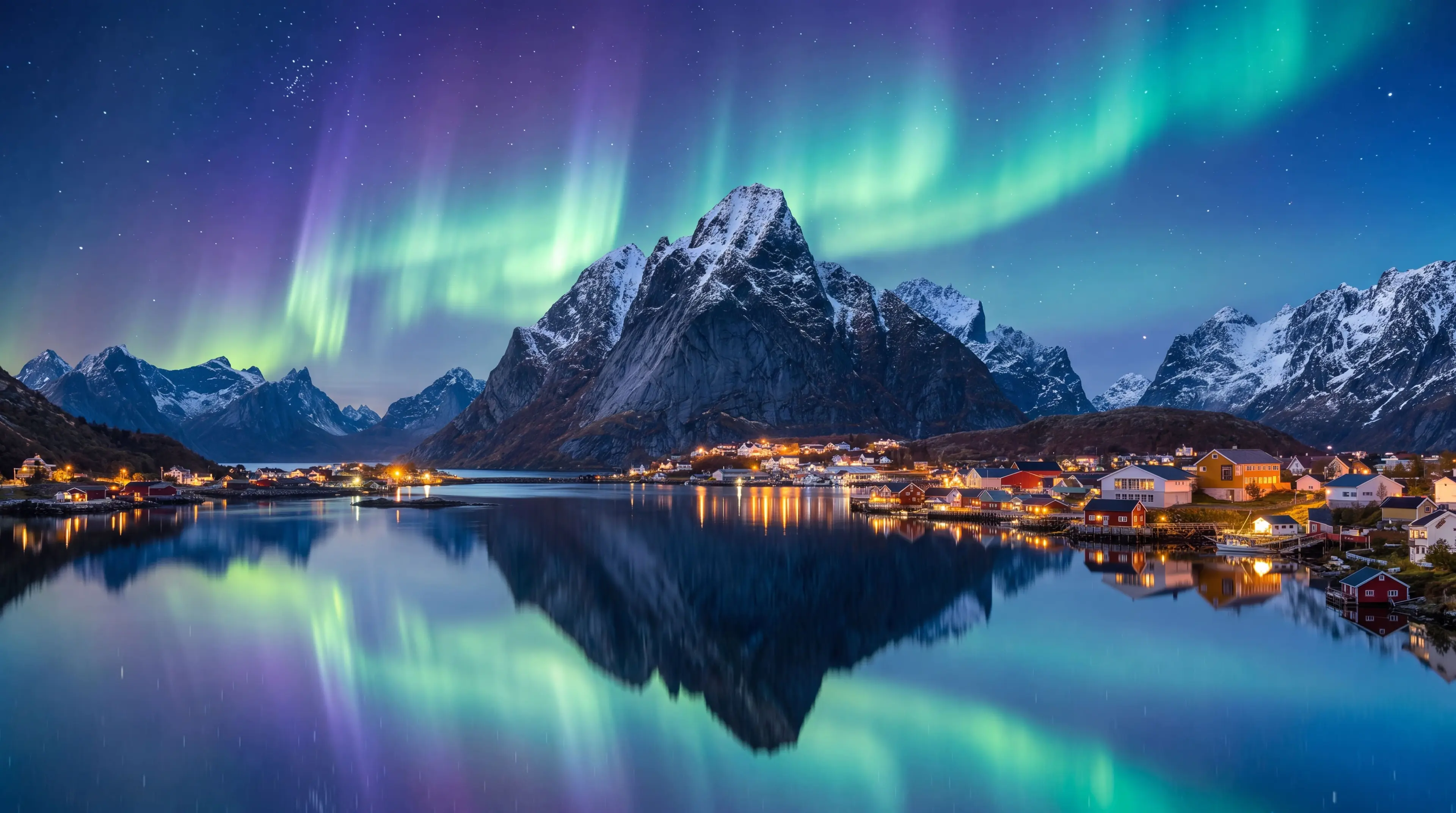
In northern Norway, total darkness lasts for weeks (in Tromsø, the sun completely disappears from November to January) while summer does the opposite with the midnight sun giving you non-stop daylight from May to July. Even if you stay down south in Oslo, your winter daylight shrinks to about 6 hours in December, though summer compensates by staying bright for around 18 hours.
Having great access to nature helps locals get through it by spending hours on ski trails, but learning to love freezing weather takes time if you didn’t grow up with it.
A personal story: Reddit user LilSmolKitten described life on the West Coast, where the standard setting for the weather is non-stop rain. The weather gets so grey that when the clouds finally part, locals use a bit of dark humour to joke that it is a great day to die. Living this far north means you have to actively protect your mindset so the winter gloom does not get the better of you.
FAQ – Relocation to Norway
What is Janteloven (Law of Jante)?
Scandinavian social norm that promotes modesty. People are encouraged to stay humble and not promote themselves too much.
Is moving to Norway a good idea?
Yes, if you seek safety, social stability and work-life balance. However, for some expats, it might be a boring and cold place to move to.
Do foreigners pay taxes in Norway?
Yes, if you stay in Norway for more than 183 days in a year and earn income.
Is healthcare free in Norway?
It’s partially subsidised through taxes but is not 100% free.
Are babies born in Norway automatically citizens?
Not if both parents are foreign citizens.