

Which German cities offer the best balance of job opportunities and living costs for expats

Have no idea in which German city to set foot in? We dug into the job opportunities and cost of living of three cities: Berlin, Munich, and Hamburg, so that you can compare and find your dream destination.
What you should look at: Affordability & career prospects
Berlin: Startups & lower living expenses
Munich: Premium salaries & high living expenses
Hamburg: Maritime hub with moderate costs
FAQ – Best German cities for expats
What you should look at: Affordability & career prospects
When choosing your future home, consider the following:
- Job market strength by sector via Bundesagentur für Arbeit data – which industries are hiring the most.
- Average Bruttolohn (gross salary) by sector and region – total pay before taxes and insurance.
- Purchasing power parity by region – how much out of the ‘basic basket of goods’ people can afford in different places.
- Cost of living indexes from Numbeo – the actual price of daily expenses like rent, groceries, and transport.
If you’re taking the move seriously, randomly picking a dot on the German map won’t work. Especially when you’re applying for an EU Blue Card, since its salary visa requirements went up to 50,700 EUR in 2026 – understanding which city can meet this rule is the first step to success.
Read if you plan to move to Germany:
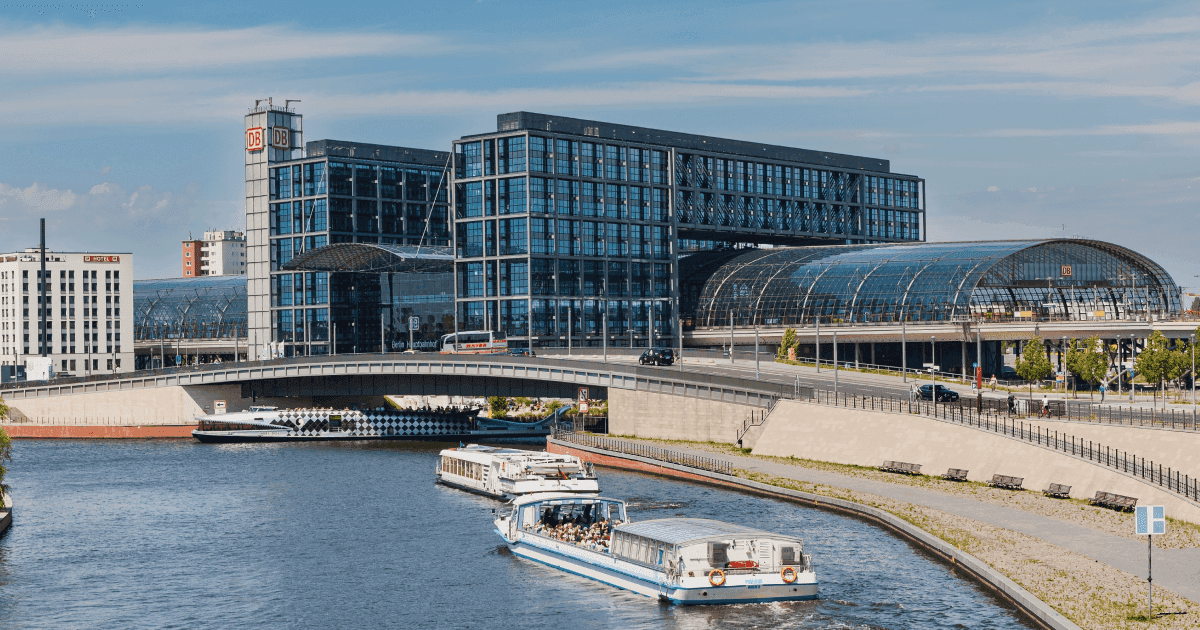
Berlin: Startups & lower living expenses
Cost of living index in Berlin
Among the three cities, Berlin’s average cost of living is the lowest as of March 2026 (Numbeo). If you move solo, you’ll need around 1,003.6 EUR per month + rent.
Rent comes at around 700-1,700 EUR for a one-bedroom apartment, depending on its location and conditions. Of course, living in the countryside will cost you much less, but the employer demand there is weaker, too.
Job opportunities in Berlin
In 2025, Berlin was home to over 2,000 tech startups with over 94,000 local job positions. Some key fintech employers are N26, Trade Republic, Raisin, Moonfare, Pliant, Banxware, Clark, and Wefox. It doesn’t mean that you can easily find a job – competition is tough – but there are certainly opportunities to become a part of a team.
"The figures send a clear message: Berlin remains a dynamic center for innovation and investment." – Dr. Stefan Franzke, CEO of Berlin Partner (Berlin's official economic development agency), at the 2025 Annual Report press conference.
Average salary in Berlin
Around 45,000-55,000 EUR per year. However, if you’re in the tech sector, the average annual gross salary grows to 78,574.25 EUR. These are approximate numbers that will be different in your individual case: for example, the gender wage gap is still a thing, so women receive 14.9% less than men, which means the average salary is lower for females.

Munich: Premium salaries & high living expenses
Cost of living index in Munich
A single person can live more or less comfortably on 1,076.1 EUR in Munich. Slightly more than in Berlin, but still bearable if your salary is decent.
Rental prices in Munich are also higher than in Berlin – 850-2,000 EUR for a one-bedroom apartment, half of someone's salary, by the way. The rent-to-income ratio could be better. But we can only adjust and search for ways to cut costs, for instance, by sharing a flat with someone.
Job opportunities in Munich
First of all, the insurance and financing scene is impressive with Allianz and Munich RE, Swiss Re, Generali Deutschland, and the Bavarian Insurance Chamber hiring locals and promising bright career prospects. Next comes the automotive hub filled with companies like BMW, MAN, Siemens Mobility, Sixt, FlixMobility, and the Munich Transport Corporation (MVG). There are also players in IT, green solutions and other fields, so Munich can be proud of its sector strength and diverse industry clusters.
Average salary in Munich
Salaries in Munich average 56,250 EUR annually as of 2026 – the highest of any German city. When you just enter the market, your salary as an expat may be lower, but overall, Munich is a great choice for earning money. Just make sure not to spend it all on rent and shopping.
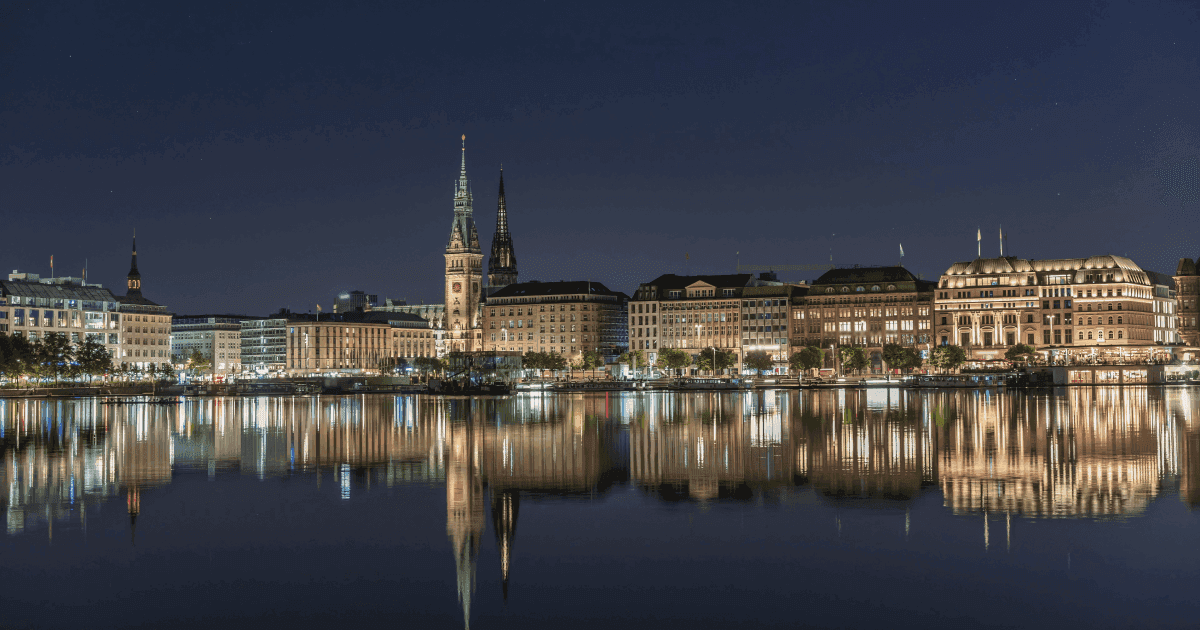
Hamburg: Maritime hub with moderate costs
Cost of living index in Hamburg
Living expenses in Hamburg are 7.5% lower than in Munich, but 1.8% higher than in Berlin in March 2026. This city stands in the middle with a single person spending around 1,010.4 EUR monthly.
The good thing about Hamburg is the housing market. You can find a one-bedroom apartment for 600-1,500 EUR, which is the lowest rental price we’ve seen so far.
Job opportunities in Hamburg
The Port of Hamburg is the top employer in the city, supporting over 156,000 jobs. Not interested in maritime? Hamburg can offer positions in:
- Aviation (Airbus, Lufthansa Technik, Hamburg Airport),
- Media (Gruner + Jahr, Bauer publishing group, Der Spiegel, Die Zeit newspapers)
- IT, tech (Google, Facebook, Twitter, Dropbox)
- and other industry clusters.
Average salary in Hamburg
49,750 EUR annually. Not as impressive as in Munich, but since the cost of living is lower, it seems fair and enough. To make the most out of your income, check AI prompts that boost your budget planning – they should help you stress less over finances.
FAQ – Best German cities for expats
What is the local purchasing power in Berlin, Munich, and Hamburg in 2026?
According to Numbeo, the local purchasing power in Berlin is 126.9, Munich – 159.4, Hamburg – 142.1. The higher the number, the more people can afford. To compare, the European city with the best index is Braunschweig, Germany (204.4).
Where can I find average German salaries data?
You can check Destatis (Federal Statistical Office), Bundesagentur für Arbeit (BA) and Eurostat for official updates.
Is 70,000 EUR a good salary in Germany?
Yes, it’s higher than the average in 2026.
Where do most foreigners live in Germany?
Berlin, Munich, Frankfurt, Hamburg, and Cologne as of 2026.
Which German cities have the strongest job market for expats?
Berlin leads in the startup and tech sectors; Munich dominates the IT and engineering sectors; Frankfurt excels in finance; Hamburg excels in logistics and media.