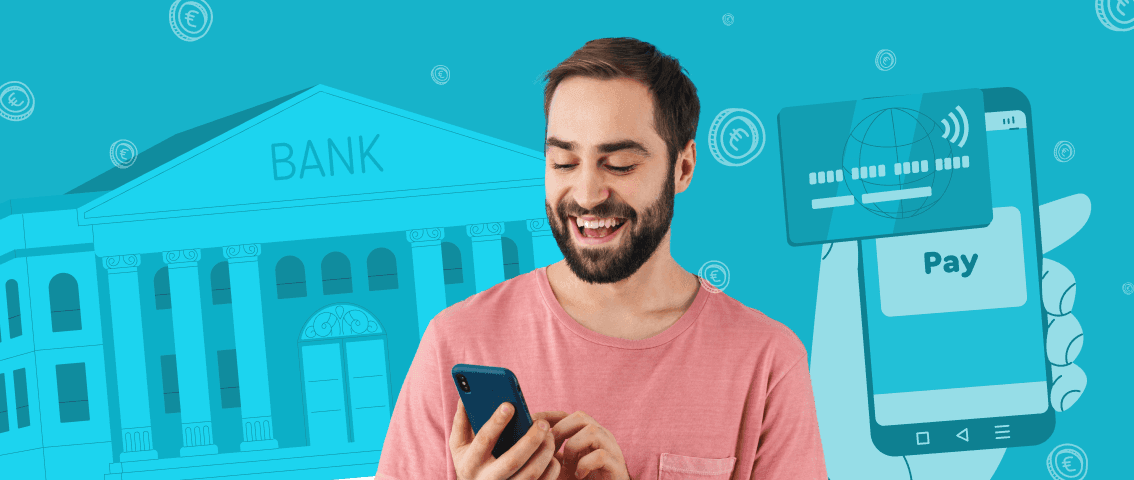
Digital wallets vs banks: best for global transfers in 2026?

For many everyday global transfers, digital wallets can be a faster, simpler, and more cost-effective alternative to traditional banks. They often offer quick delivery, transparent fees, and convenient payment methods, while banks may still be better suited for larger transactions or people who need a full range of financial services. But what exactly counts as a digital wallet, and how does it differ from a bank account? In this guide, we explain what digital wallets are, how they work, how to use them for international money transfers, and what to consider before choosing between a digital wallet and a bank.
What is a digital wallet
Digital wallet vs bank account
FAQ: Digital wallets vs banks for global transfers
What is a digital wallet
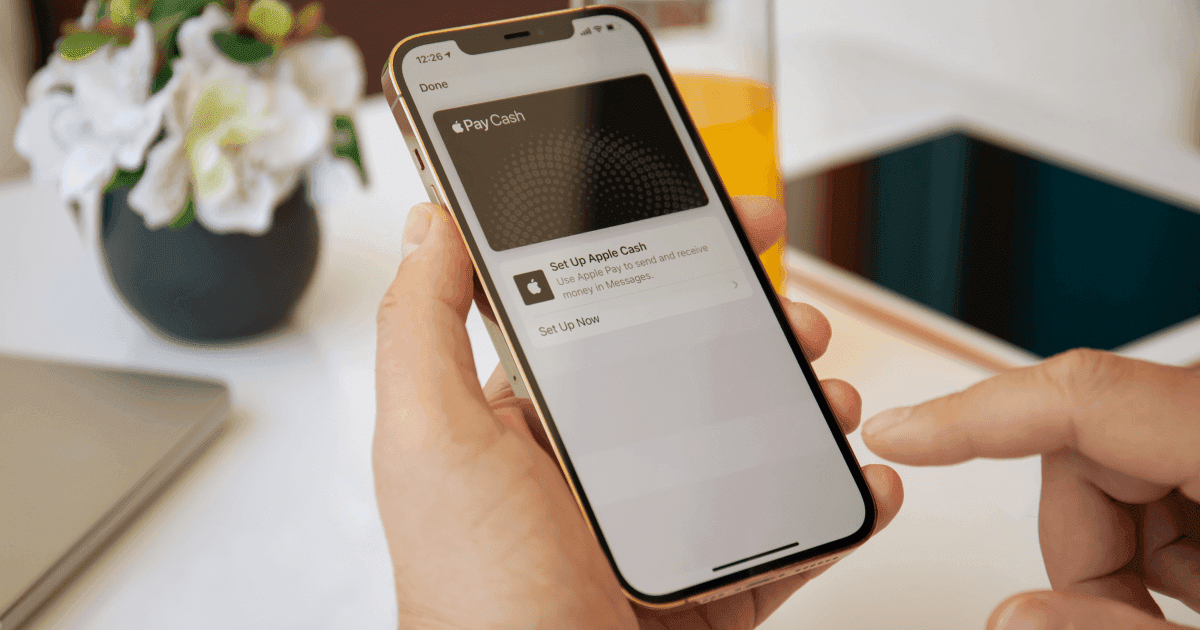
An umbrella term for various services, a digital wallet is a specific type of application or a software-based system that operates on a connected device. It can be used both online and in the physical environment, for example when paying at a terminal in a store, just as with traditional bank cards. At a basic level, the purpose of a digital wallet is the same as of a common one: to store various means of payment. But at the same time, it offers much more.
Depending on the wallet, it can keep:
- Traditional bank cards that can be used for payments, money transfers, and so on
- Gift certificates
- Loyalty cards, coupons, vouchers
- Event tickets and transport tickets
- Bookings at hotels, museums, and other venues
- ID documents and mobile driver's licenses
- Virtual car keys and home or office access credentials
No wonder that the adoption has been steadily growing in the last few years – Juniper Research estimated 4.5 billion digital wallet users globally in 2025 and projected the figure to reach 6 billion by 2030.
Some of the popular digital wallets are:
| Wallet | Region |
|---|---|
| Apple Wallet | International |
| Google Wallet | International |
| PayPal | International |
| Samsung Wallet | International |
| JazzCash, EasyPaisa | Pakistan |
| M-PESA | Democratic Republic of the Congo (DRC), Egypt, Ghana, Kenya, Lesotho, Mozambique, Ethiopia, and Tanzania |
| Airtel Money | India, Kenya, Uganda, Tanzania, Rwanda, Malawi, Democratic Republic of the Congo, Republic of the Congo (Brazzaville), Gabon, Madagascar, Niger, Chad, Nigeria, Zambia, and Ghana |
| GCash | The Philippines |
| bKash | Bangladesh |
Many fintech apps that were originally focused on money transfers now also include an in-app balance or wallet. Profee is one example: customers can top up their wallet, hold funds there, and use the balance to send money internationally.
Industry growth
The global digital wallet market is valued at 56.77 billion USD in 2025 and projected to reach 68 billion USD in 2026, growing at a 20.9% CAGR through 2030. Digital wallets now account for approximately 56% of global e-commerce transaction value and 33% of all in-store point-of-sale transactions worldwide – more than any other payment method.
A major force reshaping the landscape is the rise of QR code payments, which are expected to reach 380 billion transactions globally in 2026, accounting for over 40% of all digital wallet transactions by volume. Meanwhile, central bank digital currencies (CBDCs) are entering the picture: 134 countries representing 98% of global GDP are now exploring CBDCs, with China's digital yuan already processing over 3.4 billion transactions worth approximately $2.3 trillion. Some wallet providers and payment infrastructure companies are exploring CBDC-ready and stablecoin-compatible systems in preparation for possible future payment models.
Digital wallet vs bank account
The features of the two overlap but their purposes are different. As the digital wallet examples above show, there are many options that traditional banks do not offer. But the opposite is also true as a bank account allows more control over your finances.
So, how does a digital wallet vs a bank account compare, for example, for international money transfers?
Cost
Online currency exchange rates are known to be much more competitive than those offered by traditional banks. Even more impressive is the difference between charges applied to transactions. The traditional banks’ fees for a money transfer abroad can be several times higher than with a fintech service. For example, Profee offers its customers competitive exchange rates on the market at any given moment thanks to its in-house monitoring system. There are also special promo rates on your first transaction and zero commission on transfers to selected destinations.
Speed
For many consumer cross-border transfers, digital wallets and fintech transfer services are often faster than traditional bank wires. It may take traditional banks anywhere from hours to several working days to send money overseas (though some domestic instant payment rails such as SEPA Instant and FedNow are becoming more widespread, the picture for cross-border transfers remains far slower). While online services are faster – for example, more than 95% of Profee transfers arrive in a couple of minutes, although timing can vary by destination, payout method, and compliance checks.
Requirements
Opening a bank account is a demanding affair with many documents to be submitted and forms to be filled out, often during an in-person visit to a branch. And how to create a digital wallet? Much more easily; you only need a connected device for that. Although some services, such as Revolut, request their customers provide exhaustive personal information on signup, others like Profee generally ask for basic details such as name, date of birth, and email address for joining and a local ID for opening a wallet. As a result, the registration only takes a couple of minutes, and additional verification (say, proof of income) is only required when sending larger amounts.
It’s worth noting that KYC and AML requirements have been tightening globally, so reputable services – including Profee – are fully regulated and compliant. However, protection can differ from bank deposits. For example, in the UK, funds held with non-bank payment services are generally not covered by the Financial Services Compensation Scheme and are instead protected through safeguarding rules.
Convenience
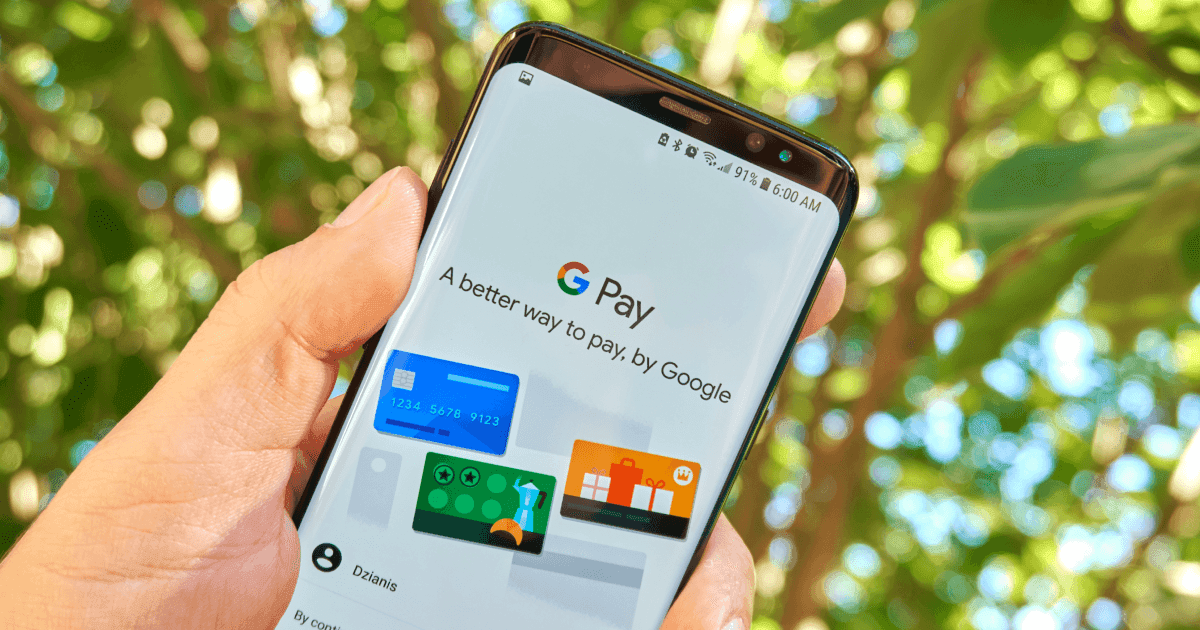
Money transfers are an excellent example to compare digital wallet vs bank account. When sending a bank transfer, you need to provide specific information about the recipient such as their bank account number and branch code. And how to use a digital wallet to send money? You only need the recipient’s card number or even only their phone number, such as the case with M-PESA. In other words, digital wallets operate in a much more user-friendly environment than traditional banks.
Beyond payments, the best digital wallets in 2026 are evolving into full financial hubs : open banking integrations allow users to view and manage multiple bank accounts in one place, while AI-powered tools offer real-time spending insights, predictive budgeting, and personalised financial guidance – features no traditional bank transfer interface comes close to matching.
Security
Banks are still regarded by some as the most secure way to transfer funds. Regulated fintech companies like Revolut and Profee also use strong security controls such as multifactor authentication, biometric login, transaction monitoring, and encryption. However, banks also use advanced security systems, so users should compare services by regulation, safeguarding, transparency, and track record.
Conclusion
To conclude, digital wallets provide convenient and secure solutions to manage your financial activities including international remittances. In 2026, they are no longer just a faster alternative to banks – they are becoming the primary financial tool for billions of people worldwide, offering everything from instant global transfers to AI-driven financial guidance, biometric security, and emerging CBDC compatibility. By choosing a leading service such as Profee you enjoy favourable exchange rates, bonuses such as special promo rates and commissions, a generous referral programme, and countless other benefits. Get an iOS/Android app or check the web converter to see how easy and profitable your money transfers can be with Profee.
FAQ: Digital wallets vs banks for global transfers
Are digital wallets safer than banks?
Digital wallets and banks can both be safe when they are regulated and use strong security controls.
Are digital wallets cheaper than banks for international transfers?
Digital wallets and fintech transfer services are often cheaper than traditional banks for consumer international transfers, especially when it comes to exchange rates and transfer fees. However, the final cost depends on the destination, payment method, payout method, currency, and a service. Always check the total amount the recipient will get before confirming a transfer.
How fast are digital wallet transfers?
Many digital wallet and fintech transfers can arrive within minutes, but timing varies by country, currency, payment method, recipient bank, and compliance checks.
Do I need a bank account to use a digital wallet?
Not always. Some digital wallets can be used with a payment card, mobile number, stored balance, or other payment method.
What is better for global transfers: a digital wallet or a bank?
For many everyday international transfers, a digital wallet or fintech transfer services may be more convenient, faster, and more cost-effective than a traditional bank.